وبدافع من هدف "الكربون المزدوج"، ارتفع الطلب على الصلب في قطاعي طاقة الرياح والطاقة الكهروضوئية. ومن المتوقع أنه بحلول عام 2026، سيمثل الطلب 181 تيرابايت 3 تيرابايت من إجمالي الطلب على الصلب، مع طلب جديد يتجاوز 20 مليون طن. وقد عزز اتجاه التوربينات الهوائية الكبيرة والتكيف الكهروضوئية مع البيئات القاسية من ترقية الصلب إلى الصلب المقاوم للعوامل الجوية والصلب عالي القوة، مما أدى إلى حل المشاكل الأساسية مثل خفة الوزن والعمر التشغيلي الطويل.
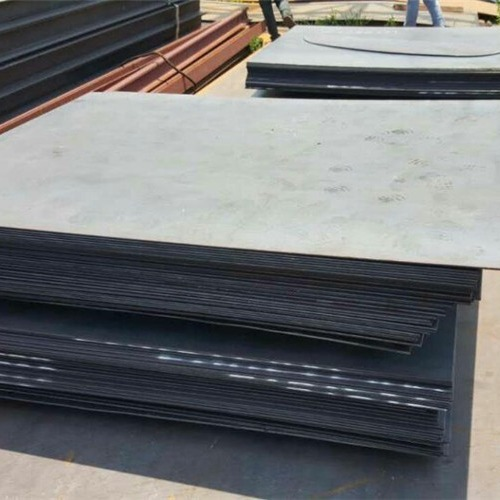
II. الفولاذ المقاوم للعوامل الجوية والفولاذ عالي القوة لطاقة الرياح
(ط) معلمات الأداء الأساسية
| اللغة الإنجليزية: نوع الفولاذ | اللغة الإنجليزية: الصف الأساسي | اللغة الإنجليزية: مؤشرات الأداء الرئيسية | اللغة الإنجليزية: السيناريوهات القابلة للتطبيق |
| اللغة الإنجليزية: الفولاذ عالي القوة لأبراج التوربينات الهوائية | اللغة الإنجليزية: Q420/Q420/Q460/Q690 (A514GrB) | اللغة الإنجليزية: قوة الخضوع: 420-1000 ميجا باسكال؛ قوة الشد: 760-1100 ميجا باسكال؛ تخفيض الوزن: 15% - 22% | اللغة الإنجليزية: أبراج توربينات رياح براً/بحرية بقدرة 15 ميجاوات فأكثر |
| اللغة الإنجليزية: الفولاذ المقاوم للعوامل الجوية المنخفضة الحرارة لطاقة الرياح | اللغة الإنجليزية: Q355nd/Q460NE/S355K2 | اللغة الإنجليزية: طاقة التصادم ≥47J عند -40 ℃ ~ -50 ℃؛ مكافئ الكربون ≤0.42%؛ مقاومة التمزق الصفيحي | اللغة الإنجليزية: المناطق الباردة ومزارع الرياح على ارتفاعات عالية |
| اللغة الإنجليزية: الفولاذ المقاوم للتآكل لطاقة الرياح البحرية | اللغة الإنجليزية: DH36/EH36/A514GrB | اللغة الإنجليزية: تآكل رذاذ الملح ≤0.1 مم/ملم/أ؛ زيادة مقاومة التآكل في مياه البحر بمقدار 40% | اللغة الإنجليزية: أبراج توربينات الرياح البحرية ومنصات التأسيس |
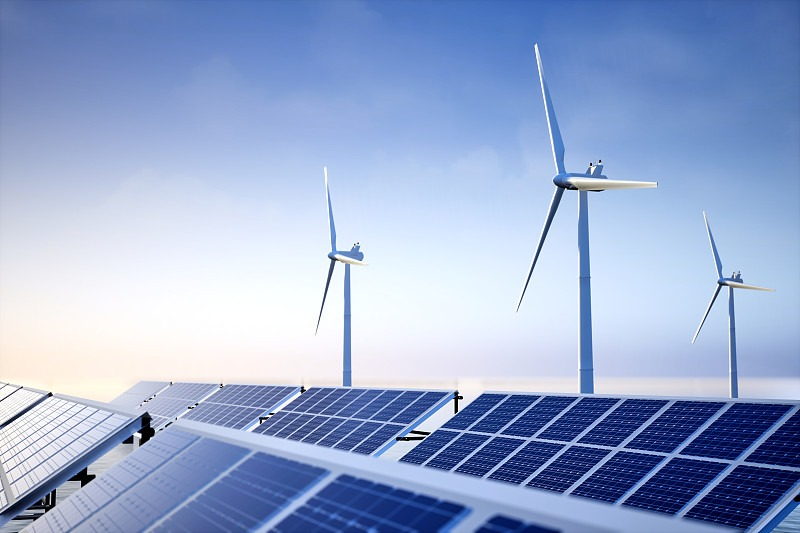
(II) الملامح الفنية الأساسية
- ترقية خفيفة الوزن: يحلّ الفولاذ Q690 محل الفولاذ Q355، والذي يمكن أن يقلل بشكل فعال من سمك جدار أبراج توربينات الرياح بمقدار 15%-20% ويقلل من البصمة الكربونية بمقدار 37%.
- مقاومة العوامل الجوية والتآكل: من خلال إضافة الكروم والنيكل والنحاس وسبائك أخرى، يمكن للفولاذ تشكيل طبقة واقية كثيفة، والتي يمكن أن تزيد من مقاومة العواصف الرملية بمقدار 50% في المناطق الصحراوية وتضمن عمر خدمة يزيد عن 30 عامًا في بيئات رش الملح البحري.
- اختراق الصلابة في درجات الحرارة المنخفضة: يمكن أن يزيد الفولاذ S355K2 المحسّن من طاقة الصدمات بمقدار 40% عند درجة حرارة -50 ℃، مما يحل مشكلة الكسر الهش للحام في المناطق شديدة البرودة بشكل فعال.
(ثالثًا) نظرة عامة على سيناريوهات التطبيق
يُستخدم الفولاذ عالي القوة والفولاذ المقاوم للعوامل الجوية لطاقة الرياح على نطاق واسع في مشروعات طاقة الرياح البرية والبحرية حول العالم. وهي تُستخدم بشكل رئيسي في المكونات الرئيسية مثل أبراج توربينات الرياح ومنصات الأساس، ويمكنها التكيف مع البيئات القاسية مثل الصحاري والمناطق الباردة والارتفاعات العالية ورذاذ الملح البحري.
ثالثًا. الفولاذ المقاوم للعوامل الجوية والفولاذ عالي القوة للخلايا الكهروضوئية
(ط) معلمات الأداء الأساسية
| اللغة الإنجليزية: نوع الفولاذ | اللغة الإنجليزية: الصف الأساسي | اللغة الإنجليزية: مؤشرات الأداء الرئيسية | اللغة الإنجليزية: السيناريوهات القابلة للتطبيق |
| اللغة الإنجليزية: الفولاذ المقاوم للعوامل الجوية العالية القوة للدعامات الكهروضوئية | اللغة الإنجليزية: Q355NH/Q355NH3/B310NH | اللغة الإنجليزية: العائد 355 ميجا باسكال؛ درجة التآكل C؛ الشد 470-630 ميجا باسكال؛ مقاومة ممتازة للعواصف الرملية | اللغة الإنجليزية: الدعامات الكهروضوئية في الصحاري/الجوبي |
| اللغة الإنجليزية: الصلب لأنظمة التتبع الكهروضوئي | اللغة الإنجليزية: Q235B/Q235B (مُشكَّلة على البارد) | اللغة الإنجليزية: ثني بارد ممتاز على البارد (r/t≥2)؛ قابل للحام؛ خفيف الوزن | اللغة الإنجليزية: تتبع محركات الأقراص والموصلات |
| اللغة الإنجليزية: الصلب لتخزين الطاقة الكهروضوئية | اللغة الإنجليزية: Q460C/SX780 | اللغة الإنجليزية: إنتاجية 460-780 ميجا باسكال؛ أداء جيد في مقاومة الإجهاد/الزلزالية | اللغة الإنجليزية: حاويات تخزين الطاقة والدعامات المتكاملة |
(II) الملامح الفنية الأساسية
- الحماية الذاتية من العوامل الجوية: يمكن لصلب Danxia تشكيل طبقة واقية من الصدأ على السطح، مما يلغي الحاجة إلى المعالجة بالجلفنة، ويقلل من تكاليف الصيانة بمقدار 80% ويضمن عمر خدمة يصل إلى 30 عامًا.
- القدرة على التكيف البيئي: يمكن تخصيص تركيبة سبيكة الفولاذ الكهروضوئي الخاص وفقًا لبيئات التطبيق المختلفة لتعزيز مقاومة العوامل الجوية والتآكل، والتكيف مع مختلف السيناريوهات القاسية مثل الصحاري ومناطق الرطوبة ودرجات الحرارة والرطوبة العالية الاستوائية. 3. أخضر ومنخفض الكربون: اعتمادًا على تكنولوجيا صناعة الفولاذ قصير المعالجة بالفرن الكهربائي، يمكن تقليل انبعاثات الكربون لكل طن من الفولاذ بمقدار 60%، وهو ما يتوافق مع متطلبات تعريفة الكربون الخاصة باتفاقية التنوع البيولوجي.
(ثالثًا) نظرة عامة على سيناريوهات التطبيق
يُستخدم الفولاذ الكهروضوئي الخاص المقاوم للعوامل الجوية والفولاذ عالي القوة بشكل أساسي في الدعامات الكهروضوئية وأنظمة التتبع وحاويات تخزين الطاقة. وهي تستخدم على نطاق واسع في المشاريع الكهروضوئية العالمية، خاصة في مشاريع البيئة القاسية مثل الخلايا الكهروضوئية الصحراوية والخلايا الكهروضوئية في غوبي والخلايا الكهروضوئية في المناطق الاستوائية.
رابعا. تكييف الصادرات ونقاط التجارة الخارجية الأساسية
(ط) المعايير والشهادات الخارجية
- أسواق الاتحاد الأوروبي/الولايات المتحدة: يجب أن تتكيف المنتجات مع معايير ASTM وEN، وأن تجتاز شهادات CE وUL والتحقق من الكربون CBAM، مع انبعاثات كربون أقل من متوسط الصناعة بمقدار 15%.
- أسواق جنوب شرق آسيا/الشرق الأوسط: التكيّف مع معايير DIN وISO، واجتياز شهادات SASO وSASO وSNI وغيرها من الشهادات المحلية، وإعطاء الأولوية لتوريد الفولاذ المقاوم للتآكل والعوامل الجوية.
- أسواق أفريقيا/وسط آسيا: التكيّف مع شهادات GOST و SASO، مع التركيز على توريد الفولاذ المقاوم للعوامل الجوية المنخفضة الحرارة والفولاذ عالي القوة لتلبية احتياجات بيئات المشاريع المحلية.
(II) مزايا التجارة الخارجية الأساسية
- تسليم كامل الوصلة: تقديم خدمات شاملة بما في ذلك تخصيص الفولاذ والمعالجة والتعبئة والتغليف والخدمات اللوجستية الدولية، والتكيف مع العملية الكاملة لهبوط مشروع الطاقة الجديدة في الخارج.
- ميزة التكلفة: يقلل إنتاج الفرن الكهربائي قصير المعالجة من تكلفة المواد الخام بمقدار 10%-15%، ويقصر دورة التسليم بمقدار 30%، والتكلفة الشاملة أقل بمقدار 20% من المنتجات الخارجية المماثلة.
- حلول مخصصة: ضبط تركيبة الفولاذ وأدائه وفقًا للخصائص البيئية ومتطلبات المشروع في الأسواق الخارجية المختلفة لتلبية احتياجات العملاء بدقة.