Impulsada por el objetivo de "doble carbono", la demanda de acero en los sectores eólico y fotovoltaico (FV) se ha disparado. Se prevé que en 2026 representará 18% de la demanda total de acero, con una nueva demanda superior a 20 millones de toneladas. La tendencia a aumentar el tamaño de las turbinas eólicas y la adaptación de la energía fotovoltaica a entornos extremos ha promovido la mejora del acero, que ha pasado a ser acero resistente a la intemperie y acero de alta resistencia, con lo que se resuelven problemas fundamentales como la ligereza y la larga vida útil.
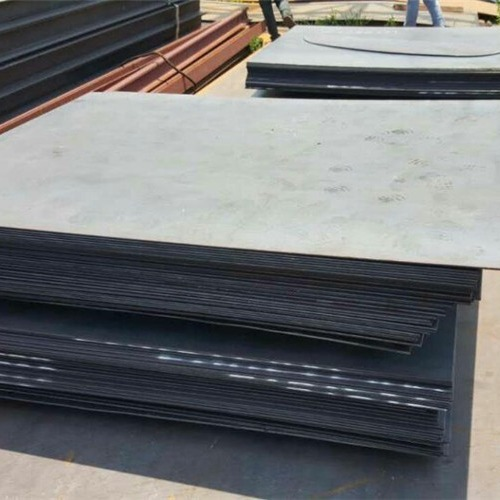
II. Acero resistente a la intemperie y acero de alta resistencia para la energía eólica
(I) Parámetros básicos de rendimiento
| Inglés: Tipo Acero | Inglés: Grado básico | Inglés: Indicadores clave de rendimiento | Inglés: Escenarios aplicables |
| Inglés: Acero de alta resistencia para torres de aerogeneradores | Inglés: Q420/Q460/Q690 (A514GrB) | Inglés: Límite elástico: 420-1000MPa; Resistencia a la tracción: 760-1100MPa; Reducción de peso: 15%-22% | Inglés: Torres de aerogeneradores terrestres y marinos de más de 15 MW |
| Inglés: Acero resistente a la intemperie para energía eólica | Inglés: Q355ND/Q460NE/S355K2 | Inglés: Energía de impacto ≥47J a -40℃~-50℃; Carbono equivalente ≤0,42%; Resistencia al desgarro laminar. | Inglés: Regiones frías y parques eólicos de gran altitud |
| Inglés: Acero resistente a la corrosión para la energía eólica marina | Inglés: DH36/EH36/A514GrB | Inglés: Corrosión por niebla salina ≤0,1mm/a; Resistencia a la corrosión por agua de mar aumentada por 40% | Inglés: Torres de turbinas eólicas marinas y plataformas de cimentación |
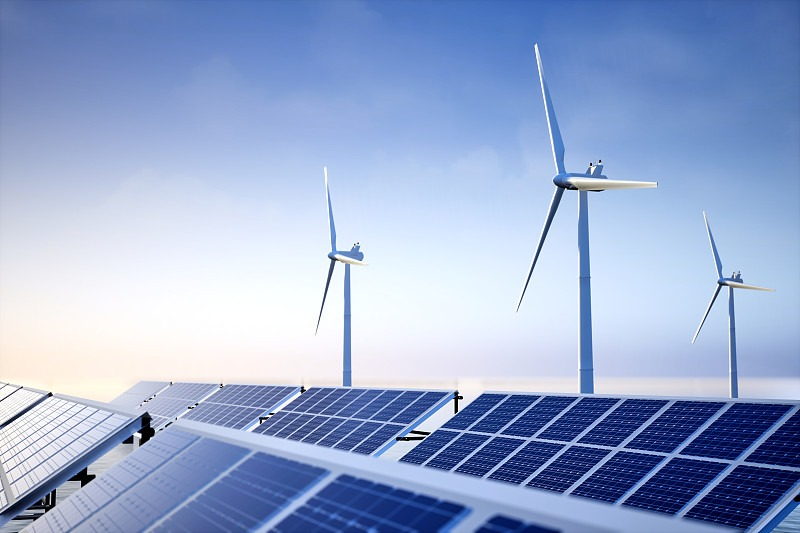
(II) Principales aspectos técnicos
- Mejora del peso ligero: El acero Q690 sustituye al acero Q355, lo que puede reducir eficazmente el grosor de las paredes de las torres de los aerogeneradores en 15%-20% y reducir la huella de carbono en 37%.
- Resistencia a la intemperie y a la corrosión: Mediante la adición de Cr, Ni, Cu y otras aleaciones, el acero puede formar una densa película protectora, que puede aumentar la resistencia a las tormentas de arena en 50% en zonas desérticas y garantizar una vida útil de más de 30 años en ambientes marinos de niebla salina.
- Avance en la dureza a bajas temperaturas: El acero S355K2 optimizado puede aumentar la energía de impacto en 40% a -50℃, resolviendo eficazmente el problema de la fractura frágil de la soldadura en zonas extremadamente frías.
(III) Escenarios de aplicación
El acero de alta resistencia y el acero de intemperie para la energía eólica se utilizan ampliamente en proyectos de energía eólica terrestre y marina en todo el mundo. Se utilizan principalmente en componentes clave como torres de aerogeneradores y plataformas de cimentación, y pueden adaptarse a entornos extremos como desiertos, regiones frías, grandes altitudes y niebla salina marina.
III. Acero resistente a la intemperie y acero de alta resistencia para la energía fotovoltaica
(I) Parámetros básicos de rendimiento
| Inglés: Tipo Acero | Inglés: Grado básico | Inglés: Indicadores clave de rendimiento | Inglés: Escenarios aplicables |
| Inglés: Acero de alta resistencia a la intemperie para soportes fotovoltaicos | Inglés: Q355NH/Q355NH3/B310NH | Inglés: Rendimiento 355MPa; Grado de corrosión C; Tracción 470-630MPa; Excelente resistencia a las tormentas de arena. | Inglés: Soportes fotovoltaicos en desiertos/gobi |
| Inglés: Acero para sistemas de seguimiento fotovoltaico | Inglés: Q235B/Q355B (conformado en frío) | Inglés: Excelente curvado en frío (r/t≥2); Soldable; Ligero | Inglés: Unidades de seguimiento y conectores |
| Inglés: Acero para almacenamiento de energía fotovoltaica | Inglés: Q460C/SX780 | Inglés: Rendimiento 460-780MPa; Buen comportamiento a la fatiga/sísmico | Inglés: Contenedores de almacenamiento de energía y soportes integrados |
(II) Principales aspectos técnicos
- Autoprotección contra la intemperie: El acero Danxia puede formar una capa protectora de óxido en la superficie, lo que elimina la necesidad de un tratamiento de galvanización, reduce los costes de mantenimiento en 80% y garantiza una vida útil de 30 años.
- Adaptabilidad medioambiental: La composición de la aleación del acero especial PV puede personalizarse según los diferentes entornos de aplicación para mejorar la resistencia a la intemperie y a la corrosión, adaptándose a diversos escenarios extremos como desiertos, gobi y zonas tropicales de alta temperatura y humedad. 3. Ecológico y bajo en carbono: Adoptando la tecnología de fabricación de acero en horno eléctrico de proceso corto, la emisión de carbono por tonelada de acero puede reducirse en 60%, que cumple con los requisitos de la tarifa de carbono CBAM.
(III) Escenarios de aplicación
El acero especial fotovoltaico para intemperie y el acero de alta resistencia se utilizan principalmente en soportes fotovoltaicos, sistemas de seguimiento y contenedores de almacenamiento de energía. Se utilizan ampliamente en proyectos fotovoltaicos globales, especialmente en proyectos en entornos hostiles como la fotovoltaica en el desierto, la fotovoltaica en el gobi y la fotovoltaica en zonas tropicales.
IV. Adaptación de las exportaciones y puntos básicos de comercio exterior
(I) Normas y certificaciones extranjeras
- Mercados de la UE y EE.UU: Los productos deben adaptarse a las normas ASTM y EN, y superar las certificaciones CE, UL y la verificación de carbono CBAM, con emisiones de carbono 15% inferiores a la media del sector.
- Mercados SEA/Medio Oriente: Adaptarse a las normas DIN e ISO, superar las certificaciones SASO, SNI y otras certificaciones locales, y dar prioridad al suministro de acero resistente a la corrosión y a la intemperie.
- Mercados de África/Asia Central: Adaptarse a las certificaciones GOST y SASO, centrándose en el suministro de acero para intemperie a baja temperatura y acero de alta resistencia para satisfacer las necesidades de los entornos de proyectos locales.
(II) Principales ventajas del comercio exterior
- Entrega de enlace completo: Proporcionamos servicios integrales que incluyen la personalización del acero, el procesamiento, el embalaje y la logística internacional, adaptándonos a todo el proceso de desembarco de proyectos de nuevas energías en el extranjero.
- Ventaja de costes: La producción de horno eléctrico de proceso corto reduce el coste de la materia prima en 10%-15%, acorta el ciclo de entrega en 30%, y el coste global es 20% inferior al de productos similares de ultramar.
- Soluciones personalizadas: Ajustar la composición y el rendimiento del acero en función de las características medioambientales y los requisitos de los proyectos de los distintos mercados extranjeros para satisfacer con precisión las necesidades de los clientes.