أولاً: مقدمة
تُعد ألواح الفولاذ الكربوني من المواد الأساسية في الصناعة الحديثة، حيث تشكل العمود الفقري لقطاعات البناء وبناء السفن وتصنيع السيارات، بالإضافة إلى تطبيقات أخرى لا حصر لها. ويكشف فهم عملية إنتاجها عن التقنيات المتطورة في مجالي علم المعادن والهندسة التي تعمل على تحويل خام الحديد الخام إلى مواد هيكلية عالية الأداء.
ثانياً: المراحل الرئيسية للإنتاج
1. تحضير المواد الخام
تبدأ الرحلة بالاختيار الدقيق للمواد الخام وتجهيزها. وتُعد خام الحديد والفحم (المحول إلى فحم الكوك) والحجر الجيري المكونات الأساسية. وتخضع هذه المواد لاختبارات جودة صارمة لضمان مطابقتها لمعايير التركيب الكيميائي قبل دخولها خط الإنتاج.
2. صناعة الحديد في الفرن العالي
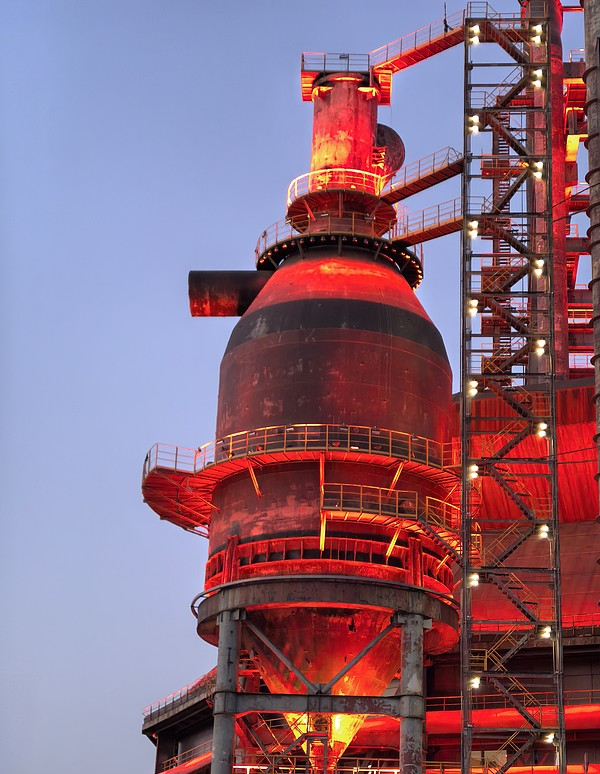
يتم تحميل المواد المُعدة في فرن الصهر، حيث تصل درجات الحرارة إلى حوالي 2,000 درجة مئوية. وفي هذا الهيكل الشاهق، يتم اختزال خام الحديد إلى حديد خام منصهر من خلال تفاعلات كيميائية مع أول أكسيد الكربون. ويقوم الحجر الجيري بدور مادة مذابة، حيث يزيل الشوائب على شكل خبث. وتستغرق هذه العملية عادةً ما بين 6 و8 ساعات لكل دفعة.
3. صناعة الصلب وتكريره
يُنقل الحديد الخام المنصهر إلى فرن الأكسجين القاعدي (BOF) أو فرن القوس الكهربائي (EAF). وهنا، يتم نفخ الأكسجين عبر المعدن لتقليل محتوى الكربون من حوالي 4% إلى المستوى المطلوب (عادةً ما يتراوح بين 0.05% و2% بالنسبة للفولاذ الكربوني). ويتم التحكم بعناية في العناصر الإضافية، وإزالة الشوائب لتحقيق المواصفات المعدنية الدقيقة.
4. الصب المستمر
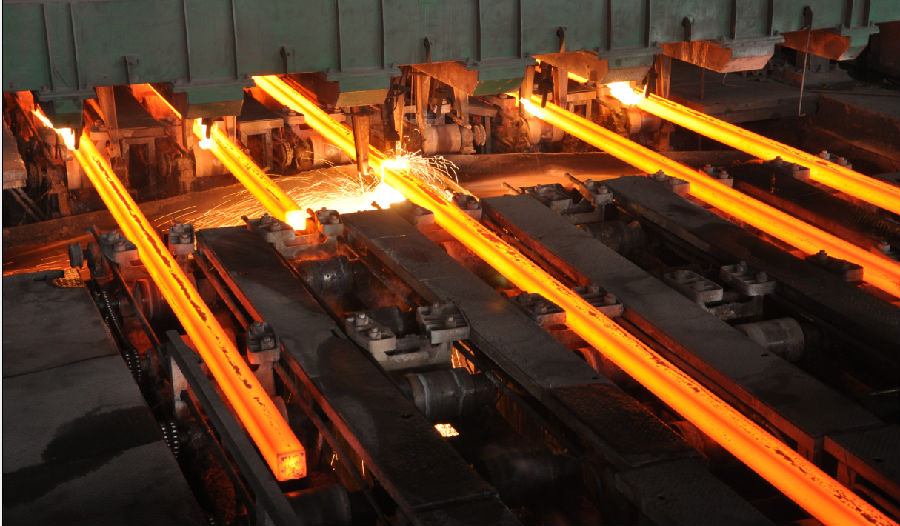
يُصب الفولاذ المنصهر المكرر في آلة الصب المستمر، حيث يتصلب ليتحول إلى ألواح نصف مصنعة. وتقوم قوالب نحاسية مبردة بالماء بتشكيل الفولاذ السائل أثناء هبوطه، ثم تُقطع اللوحات المتصلبة إلى الأطوال المطلوبة وهي لا تزال ساخنة. وقد حلت هذه الطريقة الحديثة إلى حد كبير محل طريقة صب السبائك التقليدية، مما أدى إلى تحسين الكفاءة وتوحيد جودة المنتج.
5. عملية الدرفلة على الساخن
يتم إعادة تسخين الألواح المصبوبة إلى حوالي 1,200 درجة مئوية، ثم تمر عبر سلسلة من مصانع الدرفلة. وتطبق هذه الآلات الضخمة ضغطًا هائلاً، مما يؤدي إلى تقليل السماكة تدريجيًّا من ما يصل إلى 250 ملم إلى البعد النهائي المطلوب (عادةً ما يتراوح بين 1.2 ملم و25 ملم). يتم الدرفلة على الساخن عند درجة حرارة أعلى من درجة حرارة إعادة التبلور، مما يسمح للفولاذ بالتشوه دون أن يتصلب نتيجة التشكيل.
6. التبريد والتشطيب الخاضعان للرقابة
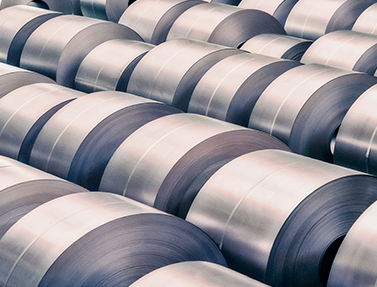
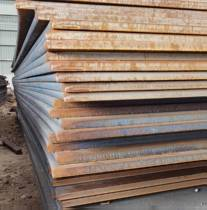
بعد عملية الدرفلة، تخضع الألواح لعملية تبريد محكومة على طاولات التبريد، حيث تعمل رشاشات الماء على تنظيم معدل التبريد بدقة لتحقيق خصائص ميكانيكية محددة. بعد ذلك، يتم تسوية الألواح، وتقليم حوافها، وفحص سطحها، وتقطيعها إلى الأبعاد النهائية. وتضمن اختبارات مراقبة الجودة، بما في ذلك اختبار قوة الشد والصلابة والفحص بالموجات فوق الصوتية، الامتثال للمعايير الدولية.
ثالثاً: الخاتمة
يمثل تصنيع ألواح الفولاذ الكربوني تكاملاً رائعاً بين المبادئ المعدنية القديمة والتكنولوجيا الحديثة المتطورة. فمن أعماق الفرن العالي الملتهبة إلى الدقة التي تتميز بها مصانع الدرفلة التي يتم التحكم فيها بواسطة الكمبيوتر، تتطلب كل مرحلة رقابة دقيقة وخبرة هندسية عميقة. والنتيجة هي مادة متعددة الاستخدامات وموثوقة تشكل، بكل معنى الكلمة، أساس حضارتنا الصناعية.
مع دور الشواغل البيئية في دفع عجلة الابتكار، تواصل صناعة الصلب تطورها نحو أساليب إنتاج أنظف، بما في ذلك عمليات الاختزال القائمة على الهيدروجين وزيادة إعادة التدوير. ومع ذلك، فإن العملية الأساسية — وهي تحويل معادن الأرض إلى الألواح التي تُبنى بها عالمنا — تظل واحدة من أروع الإنجازات الصناعية للبشرية.