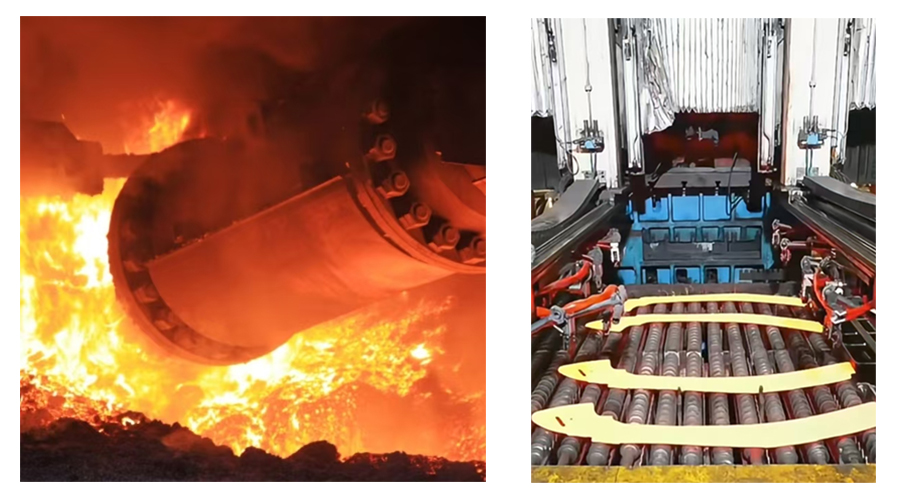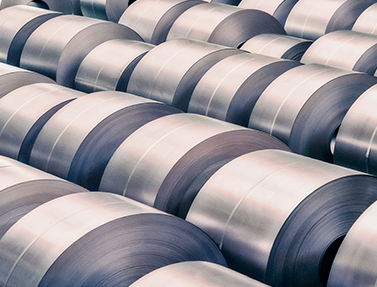
वैश्विक ऊर्जा संरक्षण, कार्बन तटस्थता लक्ष्यों, और नई ऊर्जा वाहनों के तीव्र विकास से प्रेरित होकर, ऑटोमोटिव हल्केपन को अंतरराष्ट्रीय ऑटोमोटिव उद्योग में एक मुख्य विकास प्रवृत्ति बना दिया है। हॉट-स्टैम्प स्टील और एल्यूमीनियम मिश्र धातु कंपोजिट तकनीक हॉट-स्टैम्प स्टील की अल्ट्रा-उच्च मजबूती और एल्यूमीनियम मिश्र धातु के कम घनत्व के लाभ को एकीकृत करती है, जिससे एक उन्नत सामग्री समाधान तैयार होता है जो सुरक्षा, वजन में कमी और स्थायित्व के बीच संतुलन बनाता है। इसका उपयोग बॉडी-इन-व्हाइट, सुरक्षा संरचनात्मक भागों, चेसिस सिस्टम और बैटरी पैक संरचनाओं में व्यापक रूप से किया जाता है, और यह यूरोप, अमेरिका, जापान, दक्षिण कोरिया और दक्षिण पूर्व एशिया में मुख्यधारा के वाहन निर्माताओं और टियर 1 आपूर्तिकर्ताओं के लिए पसंदीदा हल्की सामग्री बन गई है।
I. मुख्य प्रदर्शन मापदंड
| सामग्री श्रेणी | आम ग्रेड | मुख्य प्रदर्शन संकेतक | लागू ऑटो पार्ट्स |
| उच्च-तापमान पर मुद्रांकित उच्च-मजबूती इस्पात | 22MnB5, यूएसआईबीओआर 1500, 1800MPa ग्रेड | तनाव शक्ति 1500–1800MPa; उपज शक्ति ≥1000MPa; लम्बाई वृद्धि ≥6%; गर्म मुद्रांकन योग्यता | ए-पिलर, बी-पिलर, दरवाज़े की एंटी-कोलिज़न बीम, फर्श की सुरंग, सुरक्षा केबिन सुदृढ़ीकरण |
| उच्च-मजबूती वाला एल्यूमीनियम मिश्र धातु | 6061-टी6, 7075-टी6, 5052 | घनत्व ≈2.7 ग्राम/सेमी³; हल्केपन दक्षता ≥40%; अच्छी संक्षारण प्रतिरोधकता; वेल्ड करने योग्य एवं आकार देने योग्य | इंजन का हुड, कवर के हिस्से, सबफ्रेम, बैटरी केस का बाहरी आवरण |
| स्टील-एल्यूमीनियम मिश्रित घटक | हॉट-स्टैम्पड स्टील + डाई-कास्ट एल्यूमीनियम / एक्सट्रूडेड एल्यूमीनियम | वजन में कमी 20%–35%; टॉर्शनल कठोरता +25%–35%; थकान आयु +30%; 5-स्टार क्रैश सुरक्षा | अग्र और पश्च अनुदैर्ध्य बीम, एकीकृत बॉडी मॉड्यूल, चेसिस भार-वाहक भाग |
II. मुख्य तकनीकी विशेषताएँ
1. अल्ट्रा-मजबूत हल्का लाभ
पारंपरिक उच्च-मजबूत स्टील संरचनाओं की तुलना में, स्टील-एल्यूमिनियम कंपोजिट डिज़ाइन वाहन के वजन को 20%–35% तक कम करता है, ऊर्जा खपत को घटाता है, और ईवी की ड्राइविंग रेंज को 8%–15% तक बढ़ाता है।
2. शीर्ष-स्तरीय दुर्घटना सुरक्षा
हॉट-स्टैम्प स्टील विकृति को रोकने के लिए अल्ट्रा-उच्च संरचनात्मक मजबूती प्रदान करता है; एल्यूमीनियम मिश्र धातु प्रभाव ऊर्जा को कुशलतापूर्वक अवशोषित करती है। यह कंपोजिट सिस्टम E-NCAP, C-NCAP और IIHS के 5-स्टार क्रैश सुरक्षा मानकों को पूरी तरह से पूरा करता है।
3. उत्कृष्ट थकान और संक्षारण प्रतिरोध
अनुकूलित मिश्र धातु डिज़ाइन और कंपोजिट कनेक्शन तकनीक थकान स्थायित्व को 30% से अधिक बढ़ाती है; एल्यूमीनियम मिश्र धातु के पुर्जे उच्च आर्द्रता, तटीय लवण-स्प्रे और ठंडे वातावरण के अनुकूल होकर समग्र जंग प्रतिरोधक क्षमता को बढ़ाते हैं।
4. स्थिर और कुशल विनिर्माण
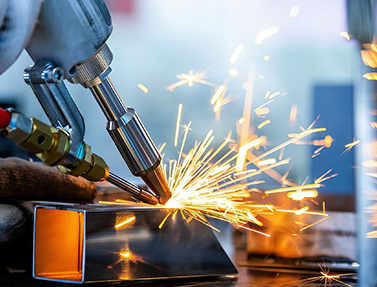
लेज़र वेल्डिंग, सेल्फ-पियर्सिंग रिवेटिंग (SPR), और एडहेसिव बॉन्डिंग का समर्थन करता है, उच्च-मात्रा वाली ऑटोमोटिव उत्पादन लाइनों के साथ संगत; सुसंगत प्रदर्शन और उच्च आयामी सटीकता।
5. वैश्विक मानक अनुपालन
ISO, EN, ASTM, GB ऑटोमोटिव सामग्री मानकों को पूरा करता है; विभिन्न क्षेत्रीय वाहन प्लेटफार्मों के लिए अनुकूलित प्रदर्शन समायोजन का समर्थन करता है।
III. वैश्विक अनुप्रयोग और विदेशी व्यापार आपूर्ति के लाभ
• व्यापक अनुप्रयोग परिदृश्य
ईंधन चालित यात्री कारों, शुद्ध इलेक्ट्रिक वाहनों, हाइब्रिड वाहनों और वाणिज्यिक वाहनों के लिए उपयुक्त; बॉडी संरचनाओं, सुरक्षा पुर्जों, चेसिस और बैटरी पैकों में व्यापक रूप से उपयोग किया जाता है।
• विदेशी व्यापार की ताकतें
◦ अनुकूलित सामग्री समाधान और अर्ध-तैयार/तैयार पुर्जों की आपूर्ति।
◦ उत्पादन और वितरण का संक्षिप्त चक्र, स्थिर गुणवत्ता नियंत्रण।
◦ यूरोपीय और अमेरिकी समकक्षों की तुलना में लागत-प्रतिस्पर्धी।
◦ पूर्ण निर्यात पैकेजिंग, लॉजिस्टिक्स, और बिक्री के बाद तकनीकी सहायता।
• हरित एवं निम्न-कार्बन अनुपालन
कम-कार्बन स्मेल्टिंग और संक्षिप्त-प्रक्रिया उत्पादन अपनाता है; कार्बन उत्सर्जन EU CBAM और वैश्विक ऑटोमोटिव कम-कार्बन आपूर्ति श्रृंखला आवश्यकताओं को पूरा करते हैं।
IV. निष्कर्ष
हॉट-स्टैम्पड स्टील और एल्यूमीनियम मिश्र धातु की संयुक्त तकनीक ऑटोमोटिव हल्के वजन वाले सामग्रियों में एक अग्रणी दिशा है। वजन में कमी, सुरक्षा और विश्वसनीयता में उत्कृष्ट प्रदर्शन के साथ, यह वैश्विक वाहन निर्माताओं को ऊर्जा की बचत, सुरक्षा में उन्नयन और सतत विकास प्राप्त करने में मदद करती है। हमारी कंपनी ऑटोमोटिव हल्के स्टील सामग्रियों के अनुसंधान एवं विकास और आपूर्ति पर केंद्रित है, जो विदेशी ऑटोमोटिव ग्राहकों को स्थिर, उच्च-प्रदर्शन और अनुकूलित समाधान प्रदान करती है।