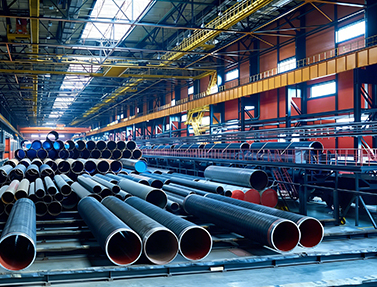
Corrugated steel guardrails are long steel products that require proper packaging, careful handling, and secure container loading during international transportation. A well-planned loading process helps protect the galvanized coating, reduce cargo movement, and improve shipping efficiency.
1. Guardrail Packaging and Protection
Guardrail beams should be bundled securely with steel straps in suitable quantities according to their dimensions and weight. Protective spacers can be placed between beams to reduce friction and prevent scratches on the galvanized coating during handling and transportation.
Where appropriate, protective caps can be fitted to post ends to help minimize impact damage. Accessories such as bolts, nuts, and other fittings should be packed separately in clearly labeled cartons or bags to simplify counting and unloading.
2. Container Loading and Weight Distribution
Before loading, calculate the cargo’s total weight, dimensions, and estimated loading volume. Select a suitable container, such as a 20-foot or 40-foot container, based on the cargo specifications and applicable transport limits.
Long guardrail beams should be arranged in a stable, organized manner, with the load distributed evenly across the container floor. Avoid concentrating excessive weight on one side or exceeding the container’s payload capacity. Leave sufficient space for safe handling and ensure that the cargo arrangement complies with the container’s loading requirements.
3. Cargo Securing and Moisture Protection
During sea transportation, guardrail bundles must be secured to minimize shifting caused by vessel movement, vibration, and handling. Suitable timber supports, blocking materials, and cargo-securing straps can be used where appropriate.
For moisture protection, consider the expected shipping conditions, voyage duration, and packaging materials. Container desiccants and suitable protective wrapping may help reduce moisture-related risks. The cargo should be dry before loading, and any protective film should be selected and applied appropriately to avoid trapping moisture.
4. Important Tips for Export Shipments
Before shipment, exporters and buyers should confirm the cargo dimensions, gross weight, container payload limits, and destination transport regulations.
It is also recommended to take clear photographs throughout the loading process, including the container interior, cargo arrangement, securing measures, container number, and seal number. These records can support shipment documentation and help resolve potential transportation or delivery disputes.
Proper packaging, balanced loading, effective cargo securing, and moisture protection are essential considerations when transporting corrugated steel guardrails internationally. Careful preparation helps protect cargo quality and supports smoother export logistics.