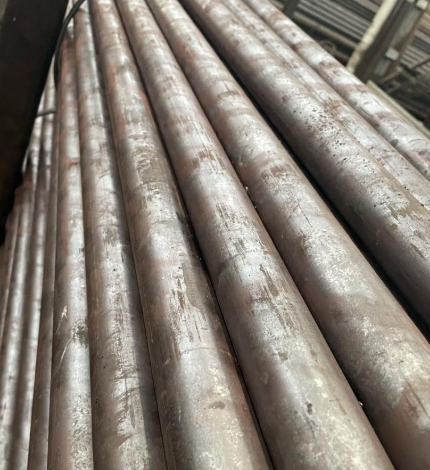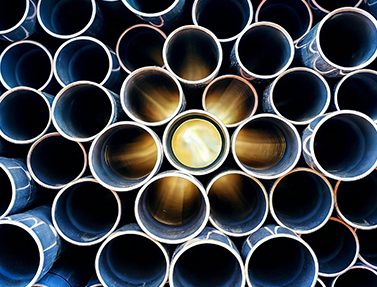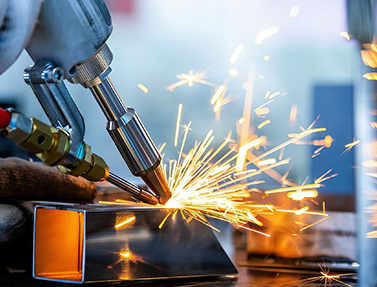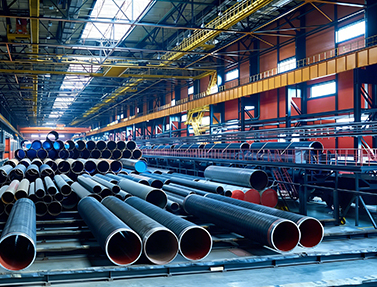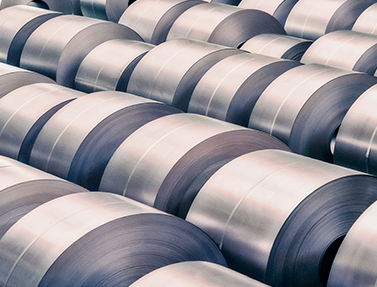
В мировой машиностроительной и промышленной отраслях коррозия стали является основной причиной износа оборудования, разрушения конструкций и высоких затрат на техническое обслуживание. Обычная холоднокатаная и неотпаленая сталь отличается низкой долговечностью в агрессивных средах, включая прибрежный соленый туман, погружение в морскую воду и химическую эрозию. В отличие от этого, отжигаемая сталь отличается оптимизированной внутренней структурой, стабильными эксплуатационными характеристиками и превосходной долгосрочной коррозионной стойкостью, что делает её предпочтительным материалом для проектов с высокими требованиями и длительным сроком службы по всему миру.
1.Недостатки неотпаленной стали
В процессе прокатки, штамповки и сварки в обычной стали возникают остаточные внутренние напряжения и формируется неравномерная кристаллическая структура. В случае нержавеющей и легированной стали отсутствие отжига приводит к выделению карбидов хрома на границах зерен, что вызывает сильную межкристаллитную коррозию. Микроструктурные щели и точки концентрации напряжений образуют участки, уязвимые к коррозии, что приводит к точечной коррозии, растрескиванию и быстрому разрушению структуры в коррозионных средах. Большинство видов неотжигаемой стали сохраняет хорошее состояние в суровых условиях эксплуатации лишь в течение 1–3 лет.
2. Механизм антикоррозионного действия процесса отжига
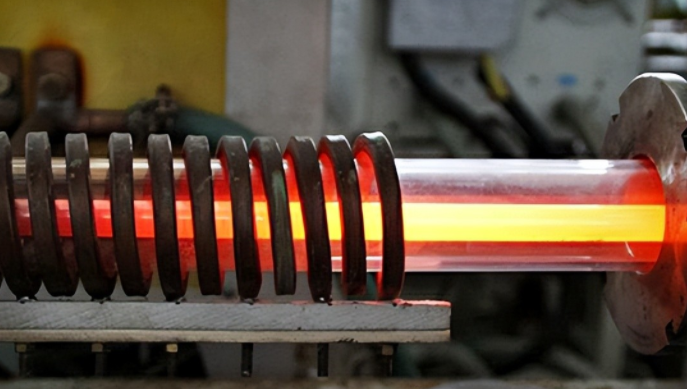
Отжиг — это профессиональный процесс термической обработки, который коренным образом оптимизирует металлургическую структуру стали и отличается от временных поверхностных антикоррозионных покрытий. Благодаря точному нагреву до высокой температуры, выдержке при постоянной температуре и постепенному медленному охлаждению в ходе этого процесса происходит растворение выпавших карбидов, равномерное перераспределение антикоррозионных легирующих элементов и устранение всех остаточных напряжений, возникших в результате механической обработки.
После стандартного отжига сталь приобретает однородную мелкозернистую структуру, а дефекты кристаллической решетки устраняются. На поверхности стали образуется плотная, прочно прилегающая пассивная пленка из оксида хрома, которая эффективно защищает сталь от воздействия кислорода, влаги, солевого тумана и кислотно-щелочных сред. Такая внутренне присущая структуре оптимизация обеспечивает постоянную и стабильную долгосрочную коррозионную стойкость без необходимости применения внешних средств защиты.
3. Основные преимущества отожженной стали
3.1 Устойчивость к коррозионному растрескиванию под напряжением
Отжиг полностью устраняет внутренние остаточные напряжения, пресекая пути коррозионного растрескивания под действием напряжений. Он предотвращает отсроченное растрескивание и разрушение конструкции в условиях коррозии, позволяя стали сохранять прочность в течение 15–30 лет в морской и химической средах.
3.2 Превосходная стойкость к локальной коррозии
Однородная структура кристаллов и плотные границы зерен препятствуют проникновению ионов хлора и кислотных сред. По сравнению с необработанной сталью отжигаемая сталь марки 80% обладает более высокой стойкостью к точечной, щелевой и межкристаллитной коррозии в средах с высоким содержанием соли и в условиях чередования сухих и влажных условий.
3.3 Чистая поверхность и низкий риск вторичной коррозии
Блестящая и вакуумная отжига удаляют поверхностные микроямки и царапины, образуя сверхгладкую поверхность, устойчивую к накоплению пыли, солевых отложений и влаги. Это предотвращает вторичную электрохимическую коррозию, что делает данную технологию идеальной для пищевой, фармацевтической и точного машиностроения.
3.4 Низкие затраты на техническое обслуживание в течение жизненного цикла
Несмотря на несколько более высокую цену за единицу, отожженная сталь практически не требует частого удаления ржавчины, повторной окраски или замены деталей. Это позволяет сократить долгосрочные затраты на техническое обслуживание проекта более чем на 70%, обеспечивая более высокую совокупную экономическую выгоду для промышленных проектов с длительным циклом реализации.
3.5 Сбалансированные механические характеристики и антикоррозионная защита
Отжиг повышает ударную вязкость и пластичность стали, устраняет хрупкость, возникающую при холодной обработке, и оптимизирует характеристики при гибке, сварке и штамповке. Он обеспечивает стабильную механическую прочность и коррозионную стойкость в течение длительного срока эксплуатации без снижения эксплуатационных характеристик.
4. Основные области применения
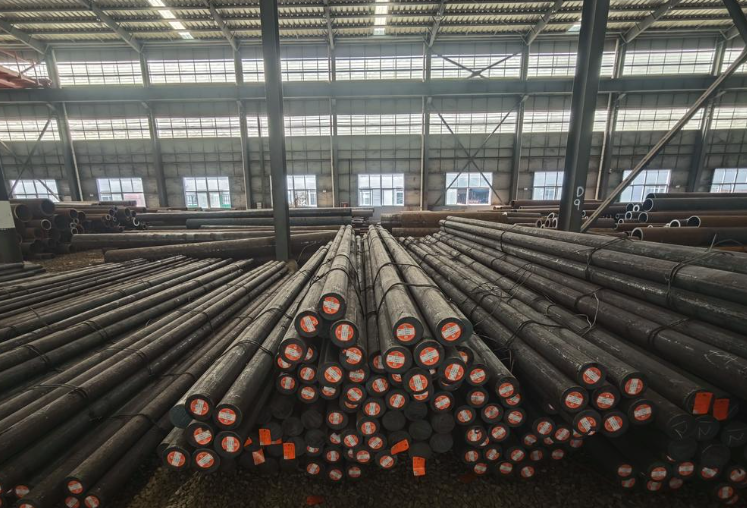
Отжигаемая коррозионно-стойкая сталь широко используется в передовых отраслях промышленности по всему миру, включая судостроение и морскую инженерию, нефтехимическое оборудование, санитарные системы пищевой и фармацевтической промышленности, инфраструктуру очистки сточных вод и высокоточное оборудование для производства полупроводников. Она пользуется широким признанием среди покупателей в Европе, Америке, Юго-Восточной Азии и на Ближнем Востоке.
5. Наши преимущества в сфере поставок
Мы строго соблюдаем международные стандарты ASTM, EN и JIS при производстве всей отжигаемой стальной продукции. Испытания всей партии, включая испытание на коррозию в солевом тумане и металлографический контроль, гарантируют стабильные антикоррозионные характеристики. Мы предлагаем резку по индивидуальным размерам, обработку поверхности и упаковку, а также полный комплект сертификатов, стабильные поставки и конкурентоспособные цены от производителя для клиентов по всему миру.
- Заключение
Временная антикоррозионная обработка поверхности не способна удовлетворить долгосрочные инженерные требования. Сталь в отожженном состоянии обеспечивает внутреннюю оптимизацию структуры и постоянную коррозионную стойкость. Являясь экономически эффективным и надежным материалом, она представляет собой лучшее долгосрочное вложение средств для глобальных промышленных и инженерных проектов.
Свяжитесь с нашей командой профессионалов в области внешней торговли, чтобы получить актуальные цены от завода и индивидуальные решения по отпаленной стали!