Introduction
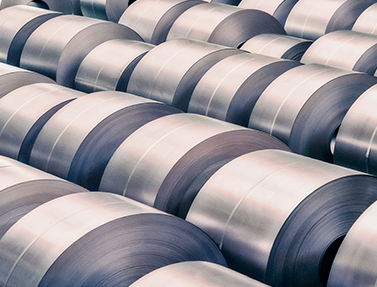
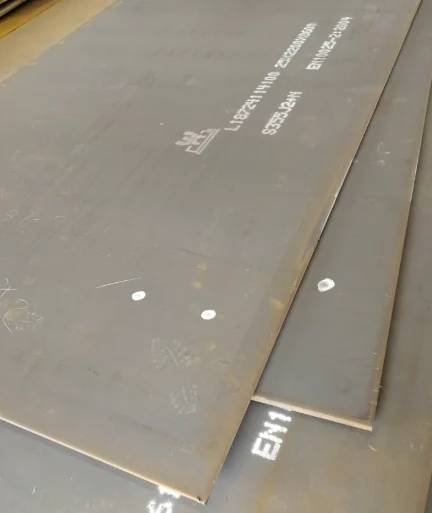
S355JR high strength low alloy plate is widely used in construction, bridge and machinery projects worldwide. Though it boasts excellent mechanical performance, its bare metal surface easily generates rust spots under humid, rainy or salt fog storage conditions. Stubborn rust will degrade surface quality and even cause cargo rejection by overseas buyers. This article introduces standardized indoor and outdoor anti-rust storage operations for long-term inventory.
1. Pre-Storage Surface Cleaning
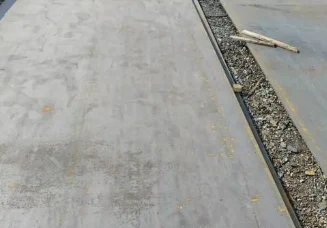
Clear dust, cutting fluid and oxide scraps on plates before stacking. Wipe light oil stains with neutral cloth and polish tiny rust spots gently without damaging base metal. Fully dry damp sheets; trapped moisture between layers will form large rust patches within one week.
2. Indoor Warehouse Storage (Long-Term Recommended)
Dry indoor warehouses are the best storage choice.
1. Humidity control: Keep relative humidity below 60%; install dehumidifiers for coastal warehouses with salt fog.
2. Ground isolation: Support stacks with 10cm-high wood sleepers to avoid direct contact with wet floors.
3. Layer separation: Lay waterproof film between plate layers. Never store S355JR together with stainless or galvanized steel to avoid galvanic corrosion.
4. Stack limit: Control height under 1.2m to prevent bottom plate deformation. Cover stacks with waterproof tarpaulins when idle.
3. Temporary Outdoor Storage Rules
Outdoor stacking is only allowed within 30 days with strict protection:
Choose well-drained ground paved with gravel to block underground moisture. Prop stacks on 15cm wood frames and tilt slightly for water runoff. Wrap all bundles fully with UV-proof tarpaulin and seal gaps tightly with tape. Long-term outdoor placement will leave permanent rust.
4. Regular Inspection & Maintenance
Carry out stock inspection every 3 days to check tarpaulin breakage and hidden rust. Ventilate stacks stored over two months for 2–4 hours to discharge damp air. Polish and re-seal plates once early rust specks are spotted to stop oxidation spread.
5. Common Rust-Causing Storage Mistakes
• Placing plates directly on damp ground, leading to heavy bottom rust
• No isolation films between layers, causing condensed water rust marks
• Unrepaired broken tarpaulins letting rain and salt fog seep in
• Mixed stacking of different steel grades triggering accelerated corrosion
Conclusion
Reasonable classified storage and daily moisture management effectively avoid rust defects on S355JR plates. Our warehouse applies complete anti-rust storage standards for all export sheets to guarantee clean surfaces and meet overseas clients’ strict inspection demands.