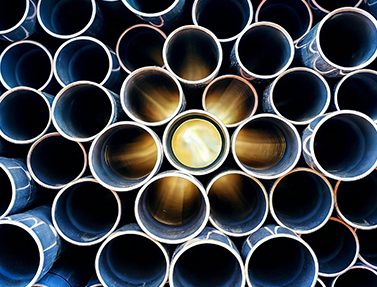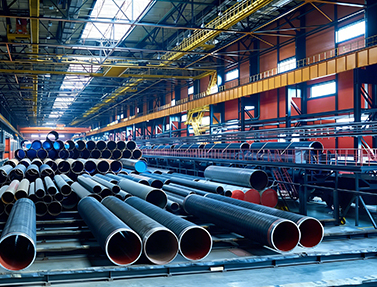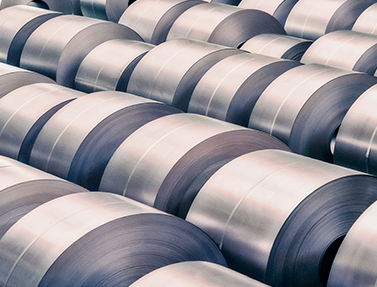
स्टील के विदेशी व्यापार और विदेशी इंजीनियरिंग खरीद प्रक्रिया में, विभिन्न कार्यान्वयन मानकों, जलवायु परिस्थितियों और परियोजना आवश्यकताओं के कारण विभिन्न देशों और क्षेत्रों में स्टील का चयन काफी भिन्न होता है। प्रत्येक क्षेत्र में स्टील चयन के मुख्य बिंदुओं में महारत हासिल करने से न केवल ग्राहक की आवश्यकताओं को सटीक रूप से पूरा किया जा सकता है, गलत चयन के कारण होने वाले पुनः कार्य और हानि से बचा जा सकता है, बल्कि सहयोग की दक्षता में भी सुधार होता है। प्रमुख वैश्विक बाजारों को ध्यान में रखते हुए, यह लेख सरल और समझने में आसान स्टील चयन संबंधी ज्ञान को व्यवस्थित करता है, जिसमें सामान्य संरचनात्मक स्टील, उच्च-मजबूत स्टील और स्टेनलेस स्टील जैसी सभी श्रेणियाँ शामिल हैं, जो विभिन्न विदेशी व्यापार और खरीद परिदृश्यों के लिए उपयुक्त हैं।
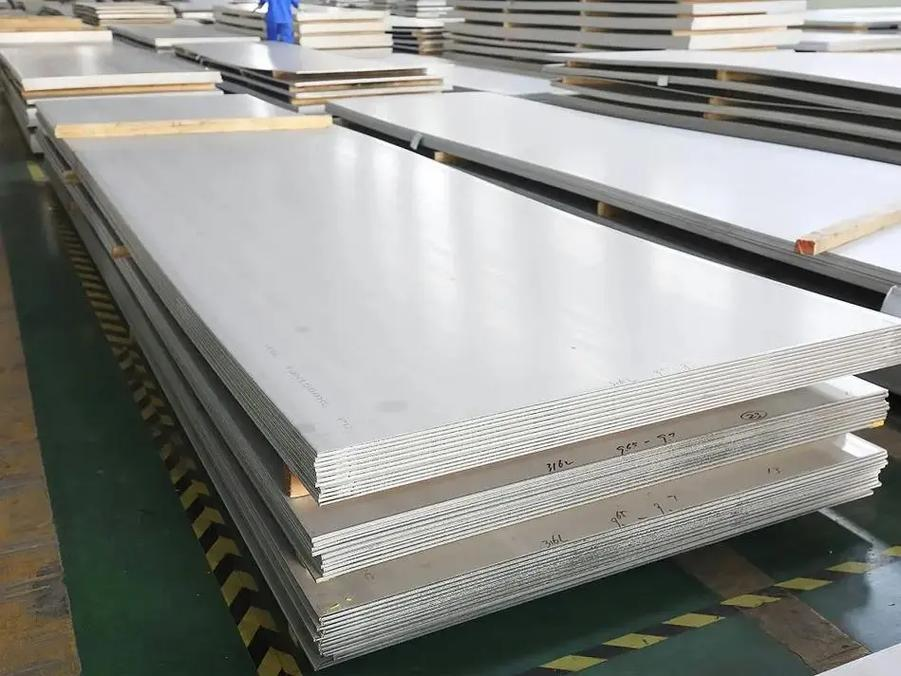
मैं-चार मुख्य वैश्विक इस्पात मानक प्रणालियाँ
विभिन्न देशों के अपने स्टील कार्यान्वयन मानक होते हैं। चयन के लिए प्राथमिक शर्त स्थानीय मानकों से मेल खाना है। निम्नलिखित चार प्रणालियाँ विदेशी व्यापार में सबसे अधिक प्रचलित हैं, और संबंधित ग्रेडों को जटिल रूपांतरण के बिना सीधे तुलना के लिए चुना जा सकता है।
क) चीनी मानक (जीबी)
मुख्यधारा का घरेलू मानक दक्षिण पूर्व एशिया, मध्य पूर्व और अन्य क्षेत्रों में निर्यात के लिए भी एक सामान्य मानक है। इसके मुख्य लाभ उच्च लागत-प्रभावशीलता और पर्याप्त आपूर्ति हैं, जो कंपनी के मुख्य उत्पादों जैसे स्टील प्लेटें, स्टील पाइप, स्टील कॉइल और स्टेनलेस स्टील की सभी श्रेणियों को कवर करते हैं।
सामान्य ग्रेड: Q235 (सामान्य संरचना के लिए, निर्माण और सरल समर्थन के लिए उपयुक्त), Q355 (उच्च-मजबूती संरचना के लिए, पवन ऊर्जा, फोटोवोल्टिक और भारी मशीनरी के लिए उपयुक्त), 45# (उच्च-गुणवत्ता कार्बन स्टील, यांत्रिक प्रसंस्करण के लिए उपयुक्त), 06Cr19Ni10 (304 स्टेनलेस स्टील, सामान्य जंग प्रतिरोध). नामकरण का नियम सरल है: Q उपज शक्ति (yield strength) को दर्शाता है, और उपसर्ग A/B/C/D प्रभाव कठोरता (impact toughness) को दर्शाते हैं। जितना उच्च ग्रेड होगा, उतनी बेहतर निम्न-तापमान अनुकूलता होगी।
बी) अमेरिकन स्टैंडर्ड (एएसटीएम/एसएई)
यह उत्तरी अमेरिका, दक्षिण अमेरिका और मध्य पूर्व में कुछ परियोजनाओं के लिए एक अनिवार्य मानक है, जिसमें सामग्री की सटीकता और वेल्डिंग प्रदर्शन के लिए उच्च आवश्यकताएँ हैं।
सामान्य ग्रेड: A36 (सामान्य संरचनात्मक स्टील, Q235 के समकक्ष), A572 Gr50 (उच्च-मजबूती वाला स्टील, Q355 के समकक्ष), 1045 (उच्च-गुणवत्ता वाला कार्बन स्टील, 45# के समकक्ष), 304/316L (स्टेनलेस स्टील, संक्षारण प्रतिरोध परिदृश्यों के लिए उपयुक्त)। नामकरण नियम: A + संख्या मानक संख्या है, Gr शक्ति ग्रेड को दर्शाता है, और SAE चार-अंकीय संख्या (10xx श्रृंखला कार्बन स्टील है)।
ग) यूरोपीय मानक
यह यूरोपीय संघ, रूस और अफ्रीका के कुछ हिस्सों पर लागू होता है, और निर्यात के लिए इसके साथ CE प्रमाणन होना अनिवार्य है।
सामान्य ग्रेड: S235JR (Q235/A36 के बराबर), S355JR (Q355/A572 Gr50 के बराबर), 1.4301 (304 स्टेनलेस स्टील के बराबर), 1.4404 (316L स्टेनलेस स्टील के बराबर)। नामकरण नियम: S संरचनात्मक स्टील को दर्शाता है, संख्याएँ उपज शक्ति (यल्ड स्ट्रेंथ) को दर्शाती हैं, और JR/J0/J2 प्रभाव तापमान ग्रेड को दर्शाते हैं, जो विभिन्न निम्न-तापमान वाले वातावरणों के लिए उपयुक्त हैं।
डी) जापानी मानक(जेआईएस)
यह जापान, दक्षिण कोरिया और दक्षिण पूर्व एशिया (इंडोनेशिया, वियतनाम, थाईलैंड) में एक सामान्य मानक है, जो छोटे और मध्यम आकार के इंजीनियरिंग और यांत्रिक प्रसंस्करण परिदृश्यों के लिए उपयुक्त है।
सामान्य ग्रेड: SS400 (Q235/A36 के समकक्ष), SM490 (उच्च-मजबूत स्टील, Q355 के समकक्ष), S45C (45# के समकक्ष), SUS304 (304 स्टेनलेस स्टील के समकक्ष)। नामकरण नियम: SS सामान्य संरचनात्मक स्टील को दर्शाता है, SM यांत्रिक संरचनात्मक स्टील को दर्शाता है, और SUS स्टेनलेस स्टील को दर्शाता है।
द्वितीय-मुख्यधारा के बाजारों में स्टील चयन के प्रमुख बिंदु
जलवायु परिस्थितियों, परियोजना आवश्यकताओं और विभिन्न क्षेत्रों की बाजार प्राथमिकताओं को ध्यान में रखकर लक्षित चयन न केवल ग्राहकों की आवश्यकताओं को पूरा करता है, बल्कि सहयोग संबंधी जोखिमों को भी कम करता है। निम्नलिखित मुख्यधारा के वैश्विक बाजारों के लिए चयन संबंधी मुख्य ज्ञान हैं।
क) यूरोपीय और अमेरिकी बाज़ार (यूएसए, कनाडा, जर्मनी, फ्रांस, यूके)
स्टील की गुणवत्ता और प्रमाणन पर सख्त आवश्यकताएँ, कंपनी की उच्च-मजबूती स्टील प्लेट्स, स्टेनलेस स्टील पाइप्स, प्रिसिजन स्टील कॉइल्स और अन्य उत्पादों के लिए ASTM और EN मानक स्टील को प्राथमिकता दी जाती है। मुख्य आवश्यकताएँ: मटेरियल टेस्ट रिपोर्ट (MTR) और CE/ASME प्रमाणन प्रदान करना अनिवार्य है। निम्न-तापमान वाले क्षेत्रों में उच्च प्रभाव दृढ़ता ग्रेड (जैसे S355J2, Q355D) का चयन किया जाना चाहिए, और वेल्डिंग दरारों से बचने के लिए कार्बन समतुल्य (Ceq≤0.45%) को नियंत्रित किया जाना चाहिए। चयन प्राथमिकता: संक्षारण प्रतिरोध, स्टेनलेस स्टील (304/316L) और हॉट-डिप गैल्वनाइज्ड कॉइल्स की उच्च मांग, सतह की गुणवत्ता पर सख्त आवश्यकताएं, कोई स्पष्ट खरोंच या ऑक्साइड स्केल नहीं।
बी) दक्षिण-पूर्व एशियाई बाजार (इंडोनेशिया, वियतनाम, थाईलैंड, मलेशिया)
लागत-प्रदर्शन को प्राथमिकता दी जाती है, और चीनी GB तथा जापानी JIS मानक स्टील का सामान्यतः उपयोग किया जाता है, जो कंपनी की साधारण स्टील प्लेटें, वेल्डेड पाइप, स्टील कॉइल और अन्य उत्पादों के लिए उपयुक्त हैं।
जलवायु संबंधी विशेषताएँ: उच्च तापमान और आर्द्रता, तटीय क्षेत्रों में उच्च लवण-स्प्रे सांद्रता।
मुख्य चयन बिंदु: Q235 और SS400 सामान्य संरचनाओं के लिए उपयोग किए जाते हैं; बाहरी परियोजनाओं और फोटोवोल्टिक समर्थन के लिए जंग रोकने हेतु हॉट-डिप गैल्वनाइज्ड कॉइल्स और वेदरिंग स्टील प्लेट्स को प्राथमिकता दी जाती है; स्टेनलेस स्टील के लिए 304 को प्राथमिकता दी जाती है, और उच्च-श्रेणी के ग्रेड की आवश्यकता नहीं है।
बाजार प्राथमिकता: सतह की गुणवत्ता पर मध्यम आवश्यकताएँ, वितरण चक्र और मूल्य पर अधिक जोर, और बैच खरीद मुख्यतः स्टील कॉइल्स और मूल प्लेट्स की होती है।
ग) मध्य पूर्व/दक्षिण एशियाई बाज़ार (सऊदी अरब, यूएई, भारत, पाकिस्तान)
कुछ क्षेत्रों में उच्च तापमान, बहुत अधिक रेत और धूल, तथा तटीय क्षेत्र। ASTM और GB मानक स्टील का सामान्यतः उपयोग किया जाता है, जो कंपनी के उच्च-मजबूती वाले स्टील पाइप, स्टील प्लेटें और स्टेनलेस स्टील उत्पादों के लिए उपयुक्त है।
मुख्य आवश्यकताएँ: तेल पाइपलाइन परियोजनाओं के लिए API 5L मानक स्टील पाइप का चयन किया जाना चाहिए; निर्माण परियोजनाओं के लिए A36 और Q355 उच्च-मजबूती स्टील प्लेटें चुनी जानी चाहिए, विशेष रूप से उच्च-तापमान में मजबूती और रेत में संक्षारण प्रतिरोध पर ध्यान केंद्रित करते हुए; तटीय परियोजनाओं के लिए 316L स्टेनलेस स्टील और हॉट-डिप गैल्वनाइज्ड स्टील को प्राथमिकता दी जानी चाहिए।
प्रमाणन आवश्यकताएँ: सऊदी अरब के लिए SASO प्रमाणन आवश्यक है; भारत में IS मानक (IS 2062≈A36/SS400) सामान्यतः उपयोग किया जाता है, और सामग्री की पूर्ण ट्रेसबिलिटी दस्तावेज़ प्रदान किए जाने चाहिए।
डी) रूसी/सीआईएस बाज़ार
महत्वपूर्ण निम्न-तापमान का वातावरण (शीतकालीन तापमान -40℃ से नीचे तक जा सकता है), GOST मानक का पालन, कंपनी की निम्न-तापमान वेदरिंग स्टील प्लेटों, सीमलेस स्टील पाइपों और अन्य उत्पादों के लिए उपयुक्त।
सामान्य ग्रेड: St37 (S235JR के समतुल्य), 09G2S (अत्यंत ठंडे वातावरण के लिए उपयुक्त, निम्न-तापमान उच्च-मजबूती वाला स्टील)।
मुख्य आवश्यकताएँ: EAC कस्टम यूनियन प्रमाणन प्रदान किया जाना चाहिए; स्टील में कम तापमान पर अच्छी कठोरता (J2 ग्रेड और उससे ऊपर) होनी चाहिए ताकि सर्दियों में भंगुर टूटने से बचा जा सके; बाहरी परियोजनाओं के लिए वेदरिंग स्टील और स्टेनलेस स्टील को प्राथमिकता दी जाती है ताकि कम तापमान पर जंग और दरार से बचा जा सके।
ई) अफ्रीकी/मध्य एशियाई बाज़ार (बेल्ट एंड रोड के साथ)
इन्फ्रास्ट्रक्चर परियोजनाओं पर ध्यान केंद्रित करते हुए, लागत प्रदर्शन को प्राथमिकता दी जाती है, और चीनी GB मानक स्टील का सामान्यतः उपयोग किया जाता है, जो कंपनी के सभी उत्पाद श्रेणियों के लिए उपयुक्त है।
चयन बिंदु: साधारण भवनों और सरल समर्थनों के लिए Q235 स्टील प्लेटें और वेल्डेड पाइप का उपयोग किया जाता है; भारी इंजीनियरिंग और पवन ऊर्जा परियोजनाओं के लिए Q355 उच्च-मजबूत स्टील प्लेटें और सीमलेस स्टील पाइप का उपयोग किया जाता है; कठोर वातावरण (मरुभूमि, तटीय क्षेत्र) में रखरखाव लागत कम करने के लिए वेदरिंग स्टील और हॉट-डिप गैल्वनाइज्ड कॉइल्स को प्राथमिकता दी जाती है। नोट्स: निर्यात करते समय, GB मानक ग्रेड को ग्राहकों के परिचित मानक में परिवर्तित किया जाना चाहिए (जैसे Q355→S355JR), और एक पूर्ण सामग्री प्रमाणपत्र प्रदान किया जाना चाहिए।
तृतीय-वैश्विक स्टील चयन में संभावित समस्याओं से बचने के सुझाव
क्षेत्र चाहे कोई भी हो, चयन के दौरान निम्नलिखित 5 सरल बिंदुओं को समझकर आप प्रभावी रूप से गलतियाँ टाली सकते हैं, सहयोग संबंधी जोखिमों को कम कर सकते हैं, और विभिन्न विदेशी व्यापार परिदृश्यों के अनुकूल हो सकते हैं।
1. समतुल्य समान नहीं होता: विभिन्न मानकों के समान ग्रेड (जैसे Q235 और A36) में केवल समान उपज दृढ़ता होती है, लेकिन उनकी संरचना और प्रभाव कठोरता भिन्न हो सकती है। उन्हें सीधे प्रतिस्थापित नहीं किया जा सकता, और मिलान की पुष्टि के लिए सामग्री सूची की जांच करनी चाहिए।
2. निम्न तापमान में प्रभाव कठोरता की जाँच करें: निम्न-तापमान वाले क्षेत्रों (–20℃ से नीचे) में, निम्न-तापमान में भंगुर दरार से बचने के लिए उच्च प्रभाव ग्रेड स्टील का चयन किया जाना चाहिए।
3. संक्षारण प्रतिरोध पर्यावरण पर निर्भर करता है: साधारण कार्बन स्टील और 304 स्टेनलेस स्टील को इनडोर सूखे वातावरण के लिए चुना जाता है; 316L स्टेनलेस स्टील और हॉट-डिप गैल्वनाइज्ड स्टील को तटीय, रासायनिक और समुद्री वातावरण के लिए चुना जाता है।
4. पूर्ण प्रमाणन: निर्यात स्टील को संबंधित क्षेत्रीय प्रमाणन (CE, SASO, EAC) और सामग्री परीक्षण रिपोर्ट (MTR) प्रदान करनी होगी, जो अनिवार्य हैं।
5. वेल्डिंग कार्बन समतुल्य पर निर्भर करती है: वेल्डिंग परियोजनाओं के लिए, स्टील का कार्बन समतुल्य ≤0.45% होना चाहिए, और उच्च-मजबूती वाले स्टील का पूर्व-तापन तापमान वेल्डिंग दरारों से बचने के लिए नियंत्रित किया जाना चाहिए।
चतुर्थ-चयन सारांश
स्टील चयन का मूल "अनुकूलन" है – क्षेत्रीय मानकों के अनुरूप, पर्यावरणीय आवश्यकताओं के अनुरूप, और परियोजना आवश्यकताओं के अनुरूप। उपरोक्त ज्ञान में महारत हासिल करके, आप बिना जटिल पेशेवर ज्ञान के विभिन्न देशों और क्षेत्रों में स्टील चयन को शीघ्रता से पूरा कर सकते हैं।
चाहे विदेशी व्यापार कोटेशन हो, ग्राहक के साथ समन्वय हो या ऑन-साइट खरीद, आप कुशलतापूर्वक समस्याओं से बच सकते हैं और सटीक रूप से अनुकूलन कर सकते हैं। कंपनी स्टील उत्पादों (स्टील प्लेट्स, स्टील पाइप्स, स्टील कॉइल्स, गैल्वनाइज्ड कॉइल्स, स्टेनलेस स्टील आदि) की पूरी श्रृंखला प्रदान करती है, और विभिन्न क्षेत्रीय मानकों तथा परियोजना आवश्यकताओं के अनुसार अनुकूलित चयन योजनाएँ एवं पूर्ण प्रमाणन दस्तावेज उपलब्ध कराती है, जिससे विदेशी सहयोग सुचारू रूप से आगे बढ़ सके।