High-strength low-alloy (HSLA) steels are widely used in structural engineering, construction, heavy machinery, and infrastructure projects worldwide, with ASTM A572 (the American standard) and EN S355JR (the European standard) being two of the most common grades. While both are designed to deliver excellent strength, toughness, and weldability without excessive carbon content, they differ significantly in chemical composition, mechanical properties, application scope, and regional standard compliance—key details that global buyers must understand when selecting materials for cross-border projects.
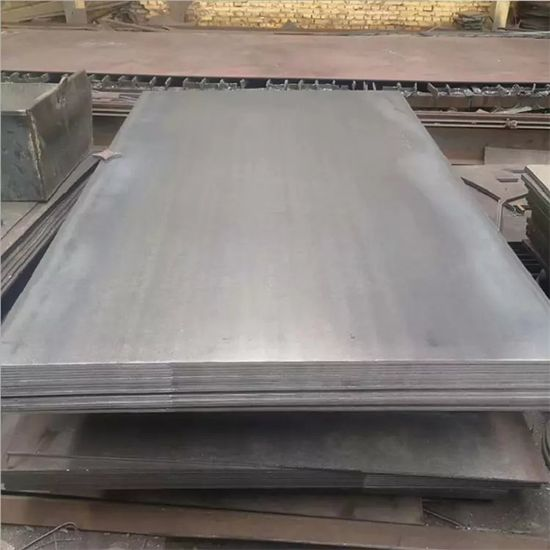
1. Core Standard & Grade Overview
• ASTM A572: This is an American Society for Testing and Materials (ASTM) standard for HSLA structural steel, available in multiple grades (Grades 42, 50, 55, 60, 65) based on minimum yield strength (in ksi). It is widely adopted in North America and other markets that follow U.S. engineering specifications, with Grade 50 being the most popular variant for general structural use.
• EN S355JR: This is a European Norm (EN) grade under the EN 10025-2 standard, a low-alloy structural steel with a minimum yield strength of 355 MPa. The “JR” suffix indicates it meets room-temperature Charpy V-notch impact requirements (27 J at 20°C). It is the primary structural steel grade for projects in the EU and markets that follow European construction codes.
2. Chemical Composition Differences
While both grades are low-carbon steels (carbon content ≤ 0.25% for most variants) with alloying elements like manganese, silicon, and trace amounts of niobium/vanadium to enhance strength, there are key differences in their composition limits:
| Element | ASTM A572 Grade 50 (Typical Range) | EN S355JR (Typical Range) |
| Carbon (C) | ≤ 0.23% | ≤ 0.24% |
| Manganese (Mn) | ≤ 1.35% | ≤ 1.60% |
| Silicon (Si) | ≤ 0.40% | ≤ 0.55% |
| Phosphorus (P) | ≤ 0.040% | ≤ 0.040% |
| Sulfur (S) | ≤ 0.050% | ≤ 0.040% |
Notably, S355JR allows higher manganese content, which improves hardenability and toughness, while A572 Grade 50 has slightly stricter sulfur limits in some specifications, making it suitable for applications requiring better formability.
3. Mechanical Properties Comparison
The most critical difference lies in mechanical properties, particularly yield strength and tensile strength:
| Property | ASTM A572 Grade 50 | EN S355JR |
| Minimum Yield Strength | 50 ksi (≈ 345 MPa) | 355 MPa (≈ 51.5 ksi) |
| Tensile Strength Range | 60–100 ksi (≈ 415–690 MPa) | 470–630 MPa (≈ 68–91 ksi) |
| Elongation (2″ gauge) | ≥ 18% | ≥ 20% (for thickness ≤ 40mm) |
| Impact Toughness (Charpy V-notch) | Optional (depends on project requirements; room temp impact not mandatory for base grade) | 27 J at 20°C (mandatory) |
While both grades have similar yield strength (345 MPa vs. 355 MPa), S355JR offers slightly higher elongation, indicating better ductility. Additionally, the mandatory room-temperature impact test for S355JR ensures consistent toughness, making it more reliable for outdoor or low-temperature construction projects, whereas A572 Grade 50 may require additional impact testing for cold-climate applications.
4. Weldability & Formability
Both ASTM A572 and EN S355JR are designed for excellent weldability, thanks to their low carbon equivalent (CEV) values, which minimize the risk of cold cracking during welding. However, due to the slightly higher manganese and silicon content in S355JR, it may require minor adjustments to welding parameters (e.g., preheating for thicker sections) compared to A572 Grade 50.
For formability, A572 Grade 50 is widely preferred for applications requiring bending, stamping, or cold forming, thanks to its balanced chemical composition and consistent mechanical properties. S355JR, while formable, may exhibit higher springback in cold-forming operations due to its higher strength.
5. Application Scenarios
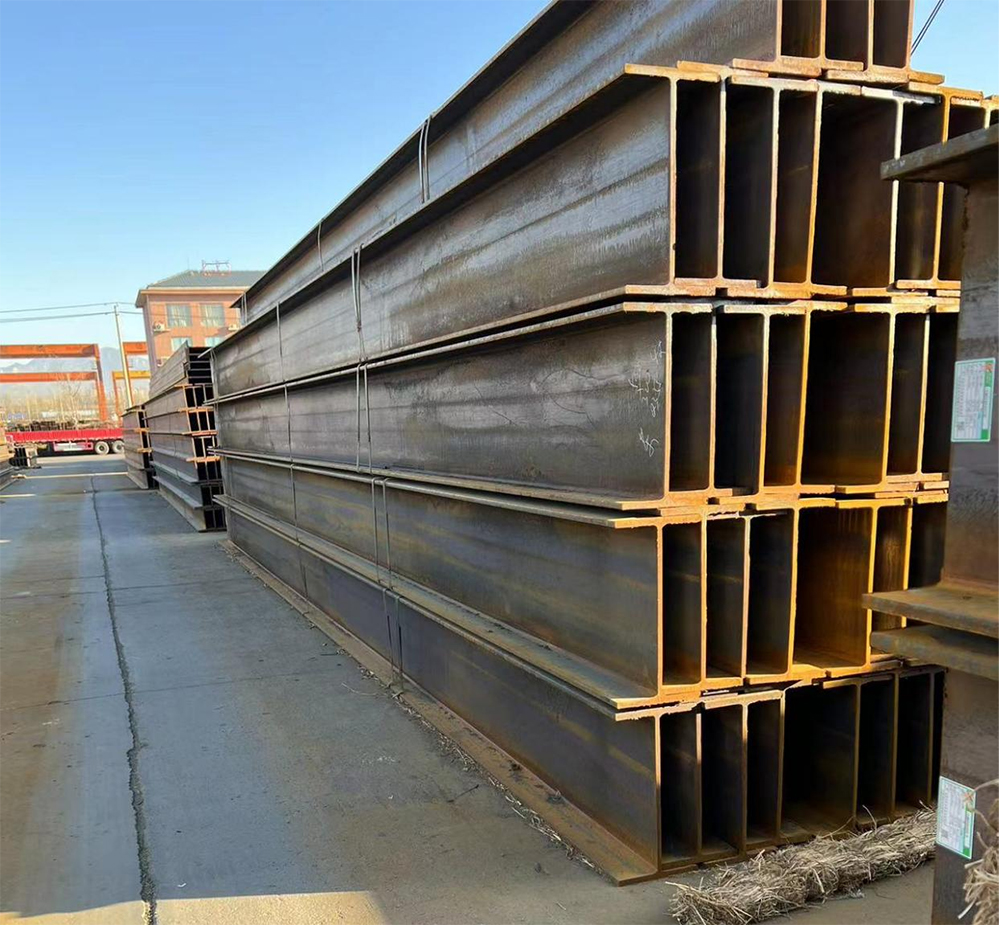
• ASTM A572 Grade 50: Commonly used in North American infrastructure projects, including bridges, buildings, heavy machinery frames, and transportation equipment (e.g., truck trailers). It is also popular in oil and gas projects that follow U.S. industry standards.
• EN S355JR: The go-to grade for European construction projects, including high-rise buildings, bridges, offshore structures, and general engineering applications. It is also widely used in export projects to markets in Africa, the Middle East, and Southeast Asia that adopt European building codes.
6. Key Considerations for Global Buyers
When choosing between these two grades for international projects, buyers must consider:
1. Regional Standard Compliance: Ensure the grade meets the local building codes and engineering specifications of the project’s location. For example, projects in the EU require S355JR, while those in the U.S. typically specify ASTM A572.
2. Mechanical Requirements: For projects requiring guaranteed impact toughness at room temperature, S355JR is a more straightforward choice. For applications prioritizing cold formability, A572 Grade 50 may be preferred.
3. Supply Chain Availability: ASTM A572 is more readily available in North America, while S355JR is widely stocked in European and Asian steel mills, making it easier to source for projects in those regions.
4. Cost & Certification: Both grades are competitively priced, but buyers must verify third-party certifications (e.g., CE marking for S355JR, ASTM compliance certificates for A572) to avoid delays in customs clearance and project approval.