Introduction
Large-diameter thick-wall seamless pipes are vital materials for oil & gas pipelines, power boilers, municipal waterworks and heavy machinery. Heavy weight, bare metal surfaces and bulky size make them vulnerable to rust, end deformation, scratches and container shift during long ocean shipping. This guide shares standardized anti-rust packaging and loading rules to help overseas buyers cut cargo loss and clear port inspection smoothly.
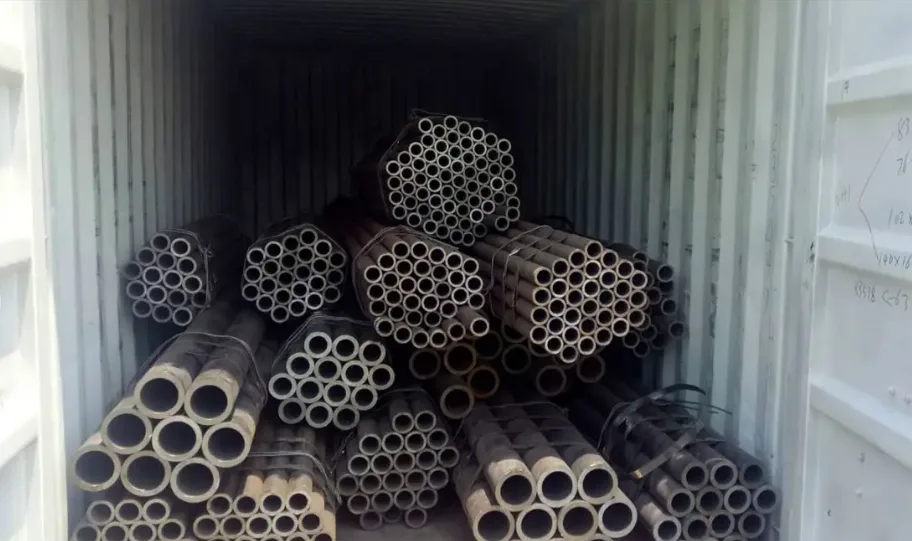
Part 1: Standard Anti-Rust Packing Procedures
1. Pipe End Protection
Fit plastic caps or iron rings on all pipe ends to block moisture and dust. Reinforced metal protectors are required for pipes above 500mm OD to resist stacking extrusion.
2. Whole-Surface Anti-Corrosion Treatment
Remove oil and oxide scales first. Coat pipes with solvent-free anti-rust oil or wrap them with waterproof VCI paper, which creates a protective gas film for over 45 days of sea transit.
3. Wear-Resistant Outer Wrapping
Cover single pipes with thick woven cloth. Bind bundles with PP belts every 1.2–1.5m, and add rubber gaskets between pipes to avoid friction scratches from ship vibration.
4. Separate Wrapping for Oversize Single Pipes
Wrap extra-large pipes with composite tarpaulin, fill foam cushions at bottom and ends, then fasten tightly with tension ropes to stop seawater leakage.
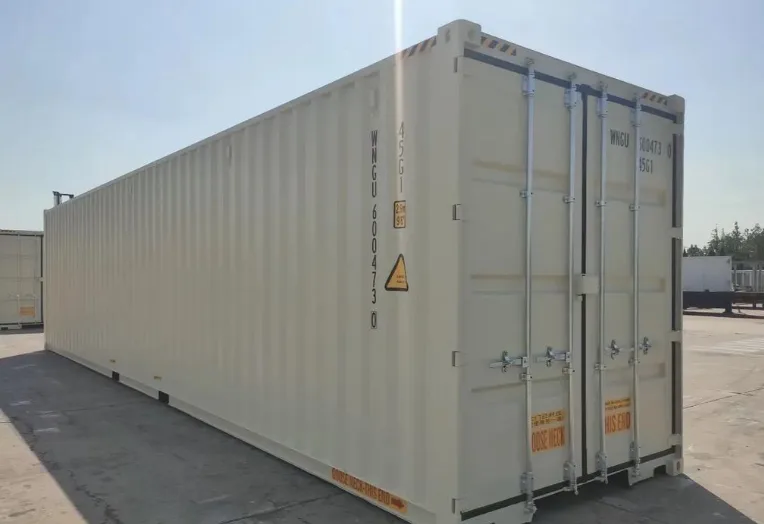
Part 2: Safe Container Loading Standards
1. Pre-Shipping Container Check
Clean debris and water inside containers. Reject units with broken floors or rust leaks to prevent secondary pipe contamination.
2. Bottom Sleeper Laying
Lay 10–15mm solid wood sleepers every ≤800mm to disperse heavy loads and avoid direct metal friction between pipes and container floors.
3. Layered Stacking Rules
Stack pipes horizontally with wood strips between layers. Place large-diameter pipes at the bottom for even force, and smaller matching pipes on upper layers.
4. Anti-Shift Reinforcement
Cross-fix bundles with high-tensile steel ropes via container lashing rings. Wedge triangular wood blocks on both sides, and add longitudinal straps at container front & rear ends to prevent sliding.
5. Gravity Balance Control
Distribute heavy and light pipes evenly across the container to avoid tilting risks in land and sea transport.
Part 3: Common Packaging & Loading Mistakes
• Missing end caps: Causes inner rust and mouth deformation
• Thin plastic film instead of VCI paper: Short anti-rust lifespan, prone to yellow rust
• No bottom sleepers: Severe scratches on pipe bottoms
• Weak binding without wood wedges: Massive surface abrasion from shifting cargo
• Uneven weight layout: Delays customs clearance and brings traffic hazards
Conclusion
Standard packaging and scientific loading guarantee intact pipe delivery. Our factory offers custom packaging for all pipe sizes and full pre-shipment loading supervision. All operations follow international marine transport standards, effectively reducing after-sales loss for global steel importers and engineering contractors.