1. Обзор отрасли
В мировом строительстве, машиностроении, нефтегазовых проектах и других отраслях постоянно повышаются требования к продукции из углеродистой стали. При этом во всех странах мира ужесточаются национальные нормы качества и экологическая политика. Традиционные технологии производства уже не способны удовлетворить требования высококачественных экспортных заказов и ключевых инженерных проектов. Модернизация производственных процессов и контроль ключевых этапов на всех стадиях производства имеют решающее значение для выпуска высококачественных листов и рулонов из углеродистой стали, а также для повышения конкурентоспособности продукции и увеличения рентабельности.
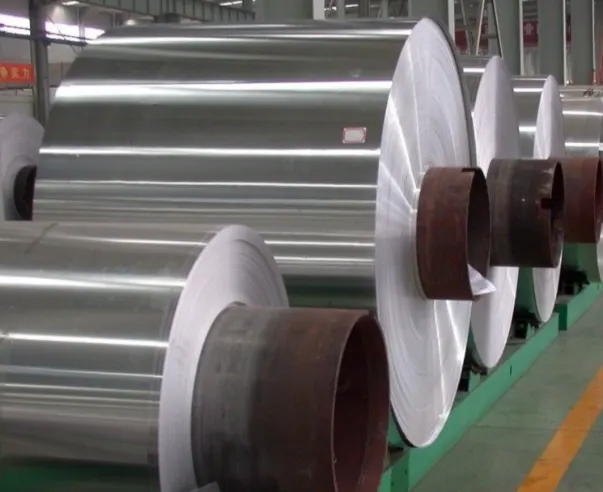
2. Выбор сырья
Высококачественное сырье — залог качества готовой продукции.
- Оптимизировать загрузку печи: использовать чугун высокой чистоты и стальной лом с низким содержанием серы и фосфора. Строго ограничивать содержание вредных элементов, чтобы предотвратить растрескивание стали и снижение коррозионной стойкости. Корректировать соотношение компонентов в зависимости от конечного назначения продукции.
- Точный контроль состава: Используйте автоматические спектральные анализаторы для мониторинга химического состава в режиме реального времени, что обеспечивает однородность механических свойств и соответствие стандартам GB, ASTM, EN, JIS и другим международным стандартам.
- Предварительная обработка: Сортировка, очистка и сушка сырья с целью удаления ржавчины, масла и примесей, чтобы избежать внутренних дефектов.
3. Плавка и непрерывная разливка
Эти методы позволяют определить внутреннюю металлографическую структуру стали.
- Усовершенствованная доочистка: применение доочистки LF и вакуумной дегазации для снижения содержания газа и включений, что позволяет повысить чистоту стали и улучшить её низкотемпературную вязкость.
- Стабильный процесс литья: контролируйте температуру литья и скорость вытяжки, чтобы избежать появления трещин и пористости на слябах. Проводите полный контроль качества и отбраковывайте бракованную продукцию.
- Шлифование слябов: удаление поверхностной оксидной корки и дефектов для обеспечения гладкости поверхности после прокатки.
4. Процесс прокатки
Прокатка напрямую влияет на точность размеров и качество поверхности, включая горячую и холодную прокатку.
Горячекатаные листы и рулоны
- Точный нагрев: для обеспечения равномерного нагрева используйте печи с подвижным брусом, что позволяет уменьшить образование оксидной корки и крупнозернистость.
- Интеллектуальная прокатка: автоматическая регулировка давления прокатки, скорости и зазора между валками для обеспечения высокой точности толщины и плоскостности.
- Контролируемое охлаждение: Регулировать работу системы охлаждения для стабилизации механических свойств, таких как прочность и относительное удлинение.
Холоднокатаные листы и рулоны
- В качестве исходного материала выбираются сертифицированные рулоны горячекатаной стали.
- Многопроходная прокатка обеспечивает гладкую поверхность и равномерную толщину.
- Прокатка с кожной прокаточной станиной позволяет оптимизировать плоскостность и шероховатость поверхности для последующей обработки, такой как штамповка и гальваническое покрытие.
5. Обработка поверхности
- Очистка под высоким давлением позволяет тщательно удалить оксидную накипь.
- Выпрямление и полировка позволяют устранить незначительные дефекты поверхности.
- Для предотвращения ржавчины во время хранения и морских перевозок применяются смазка и пассивация.
6. Окончательная обработка и контроль качества
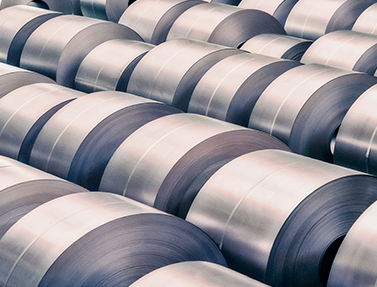
- Продольная нарезка, поперечная нарезка и намотка на рулоны выполняются в соответствии с индивидуальными требованиями к размерам.
- Проводятся комплексные испытания, включая испытания на механические свойства, контроль размеров и ультразвуковой неразрушающий контроль.
- Для обеспечения прослеживаемости продукции и прохождения сертификации за рубежом предоставляются полные производственные документации и сертификаты испытаний материалов (MTC).
7. Интеллектуальная и экологичная трансформация
- Оснастить предприятия средствами защиты окружающей среды в целях соблюдения международных норм по выбросам и требований к снижению выбросов углерода.
- Применять интеллектуальные производственные системы для минимизации ошибок, связанных с ручным выполнением операций, и обеспечения стабильного качества различных партий продукции.
8. Заключение
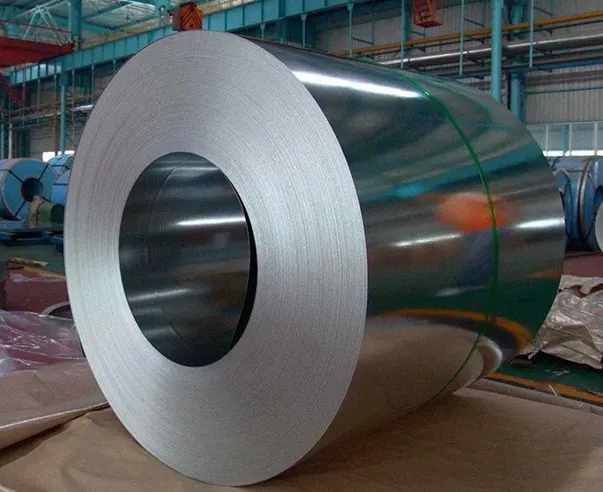
Производство высококачественных листов и рулонов из углеродистой стали основано на систематической модернизации всей производственной цепочки — от обработки сырья до окончательного контроля качества. Оптимизированные технологии и строгий контроль качества позволяют обеспечить соответствие продукции разнообразным условиям эксплуатации и международным стандартам, что значительно повышает конкурентоспособность на мировом рынке стали.