Seamless Steel Pipes: Core Principles, Selection Tips, and Industrial Applications
In industrial applications, seamless steel pipes are essential components for pipeline systems and structural support. However, engineers and procurement professionals often face challenges in selecting the right pipes. Improper selection can lead to safety hazards such as leaks, insufficient strength, or premature failure. For example, in high-pressure pipelines or building structures, using incorrect materials or specifications may cause accidents. This article explains the core technical principles of seamless steel pipes, provides practical selection tips, and highlights key considerations for qualified applications.
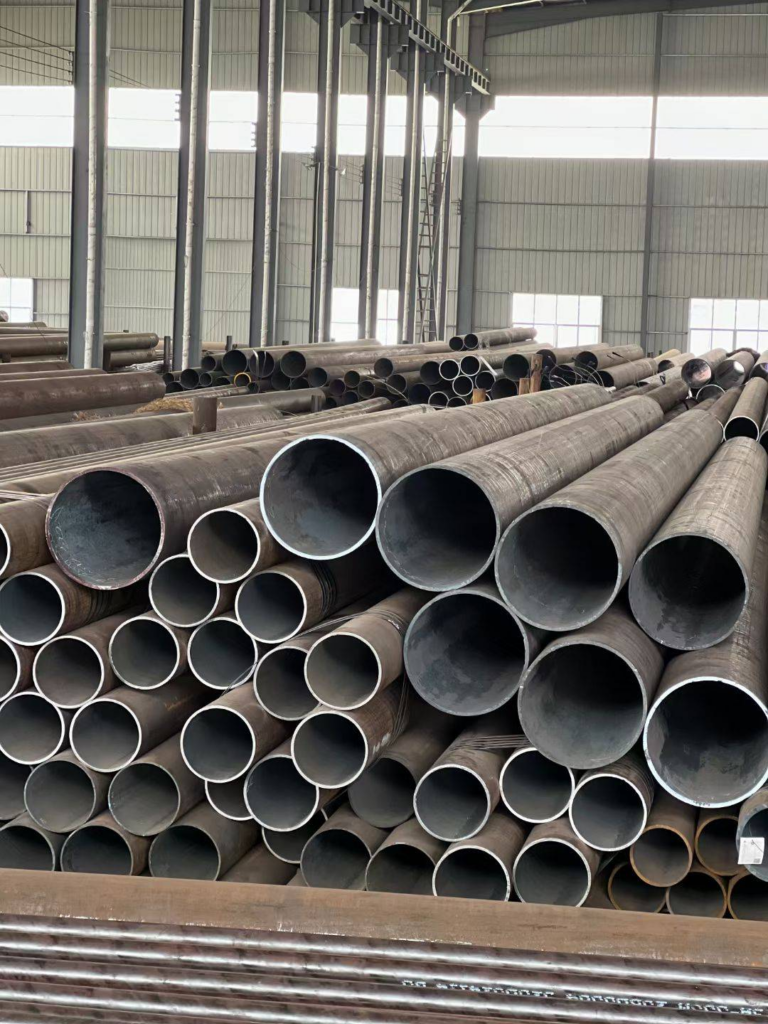
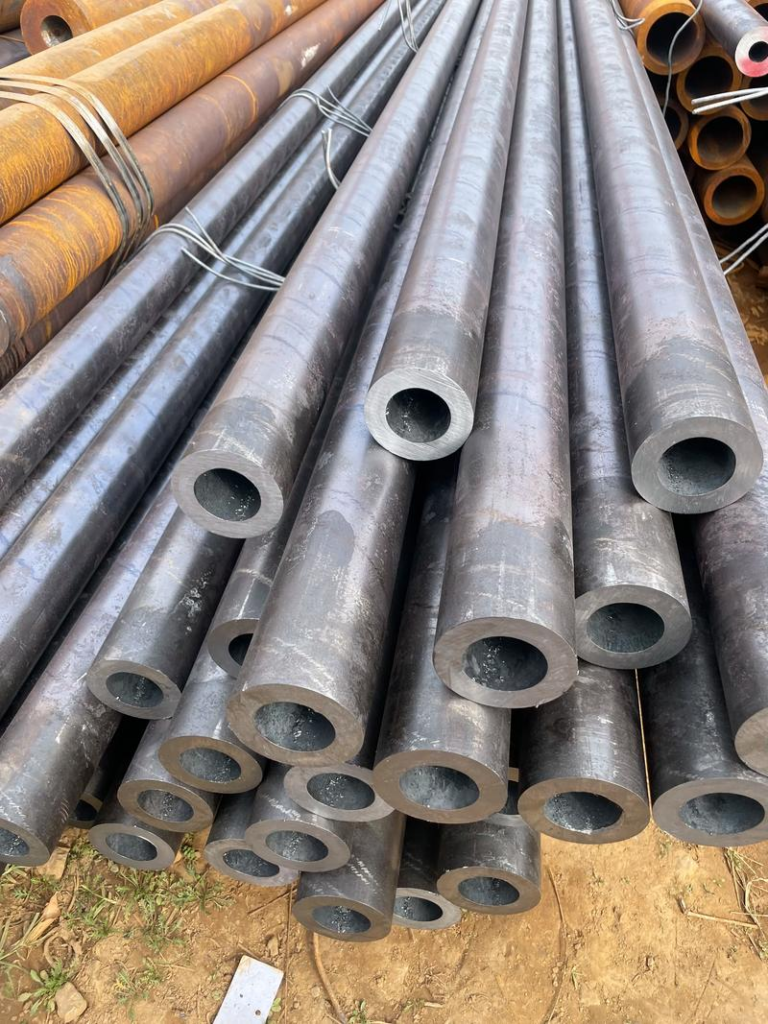
1. Core Technical Principles of Seamless Steel Pipes
What Are Seamless Steel Pipes?
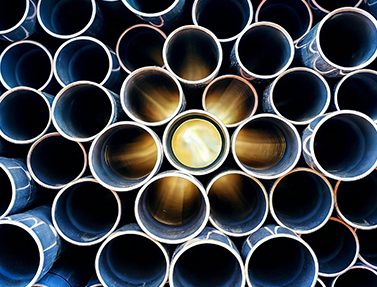
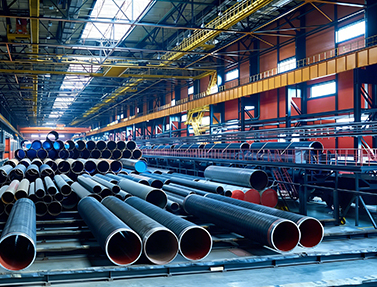
Seamless steel pipes are manufactured using hot rolling or cold drawing processes, where round steel billets are heated, pierced, and rolled into pipes without any welds. This technique ensures uniform wall thickness and a dense internal structure, enhancing compressive strength and corrosion resistance. Compared to welded pipes, seamless pipes are better suited for high-pressure and high-temperature environments, such as automotive chassis, oil pipelines, and industrial piping systems.
Material Analysis: Carbon Structural Steel
Common materials like 10# steel are low-carbon structural steels with approximately 0.10% carbon content. They offer excellent toughness, weldability, and ease of processing, making them ideal for general industrial applications. For example, in architectural decoration or structural piping, 10# steel provides adequate strength without increasing costs. Carbon content directly affects hardness: low-carbon steels are easier to process, while high-carbon steels are more wear-resistant but can be brittle. Steel mills optimize microstructures through heat treatment to ensure stable performance and durability.
Specification Interpretation and Performance Impact
Pipe specifications, such as 61×16, indicate an outer diameter of 61mm and a wall thickness of 16mm. Wall thickness directly affects pressure-bearing capacity: thicker walls are suitable for high-pressure applications, while thinner walls are lighter but have lower strength. Choosing the correct specification involves mechanical calculations to balance strength, weight, and cost. Selecting the right pipe should be based on fluid pressure, structural load, or specific industrial requirements.
2. Tips for Selecting Seamless Steel Pipes
To ensure safety and reliability, follow these systematic steps when selecting seamless steel pipes:
Define the Application Scope
- Select materials and specifications according to specific scenarios:
- Automotive pipes require high precision and surface finish.
- Architectural decorative pipes focus on aesthetics and weather resistance.
- Structural pipes demand high strength (e.g., Grade II quality).
- Always prioritize products that comply with industry standards such as GB/T 8162.
Evaluate Materials and Certifications
- Inspect material certificates to ensure carbon content and material grade meet requirements.
- Avoid uncertified products to prevent impurities from affecting performance.
- Material selection should balance cost and application requirements:
- Carbon steel is economical and practical.
- Alloy steel (e.g., 16Mn) is suitable for high-strength applications but is more expensive.
Verify Specifications and Quality Grades
- Measure outer diameter and wall thickness tolerances (e.g., ±0.5mm) to ensure compliance with design parameters.
- Choose a suitable quality grade (e.g., Class 2) for moderate uniformity in most industrial applications.
- Request samples for pressure testing to verify performance before large-scale purchase.
Consider Processing Services
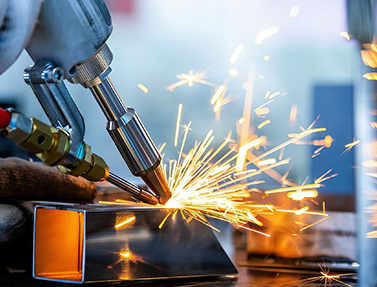
- For customized applications, such as deep bending or special shaping, select suppliers offering these services.
- Avoid options without processing capabilities unless requirements are simple.
Following these techniques can significantly reduce operational risks. In structural support applications, always select products with uniform wall thickness, certified materials, and verified specifications to ensure safety, durability, and compliance with industrial standards.