
Hot-dip galvanized pipes are formed by allowing molten metal to react with the iron substrate, creating an alloy layer that binds the substrate and the coating together. Hot-dip galvanizing involves first acid-washing the steel pipe to remove the iron oxide on its surface. After acid washing, the pipe is cleaned in a solution of ammonium chloride or zinc chloride or a mixed solution of ammonium chloride and zinc chloride in a tank. Then it is sent to a hot-dip galvanizing tank. Hot-dip galvanizing has the advantages of uniform coating, strong adhesion, and long service life. The steel pipe substrate undergoes complex physical and chemical reactions with the molten coating solution, forming a corrosion-resistant, tightly structured zinc-iron alloy layer. The alloy layer integrates with the pure zinc layer and the steel pipe substrate. Therefore, it has strong corrosion resistance.
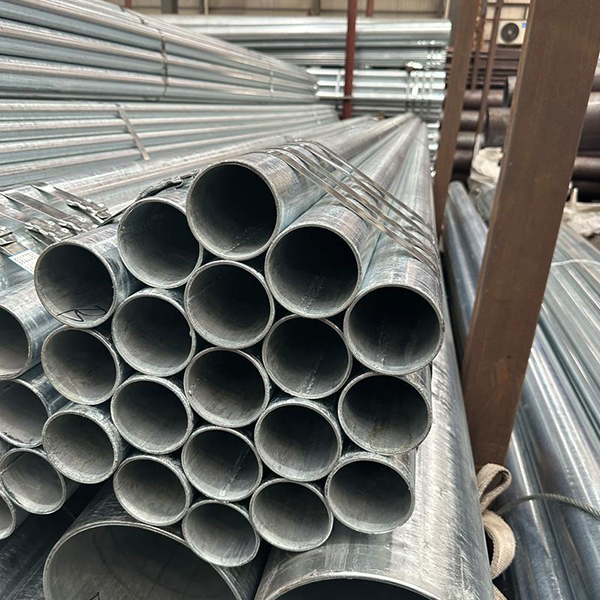
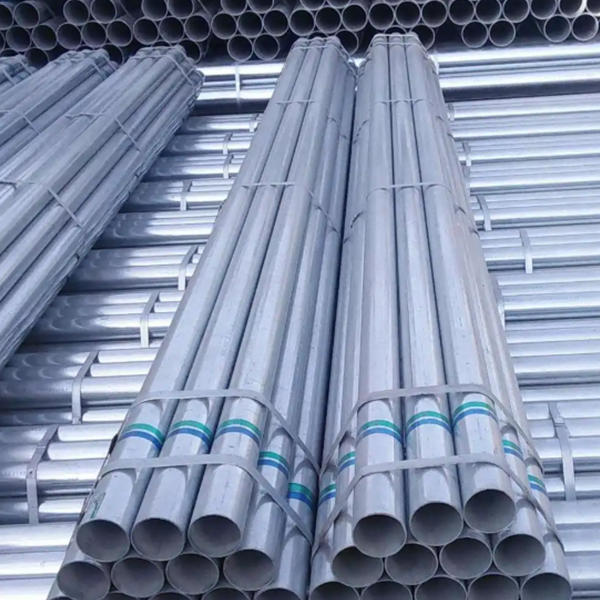
1. Brand name and chemical composition
The grade and chemical composition of the steel used for galvanized steel pipes should comply with the grade and chemical composition of the black pipe steel specified in GB 3092.
2. Manufacturing Method
The manufacturing method of the black tube (either by gas welding or electric welding) is chosen by the manufacturer. Galvanization is carried out using the hot-dip galvanizing process.
3. Threads and pipe joints
3.1 Galvanized steel pipes delivered with threaded ends should have the threads machined after the galvanizing process. The threads must comply with the provisions of YB 822.
3.2 The steel pipe joints should comply with the provisions of YB 238; the malleable cast iron pipe joints should conform to the regulations of YB 230.
4. Mechanical Properties The mechanical properties of the steel pipe before galvanization should comply with the provisions of GB 3092.
5. Uniformity of galvanization coating: Galvanized steel pipes should undergo a test for the uniformity of the galvanization coating. The steel pipe samples should be continuously immersed in a copper sulfate solution for 5 times without turning red (copper-colored).
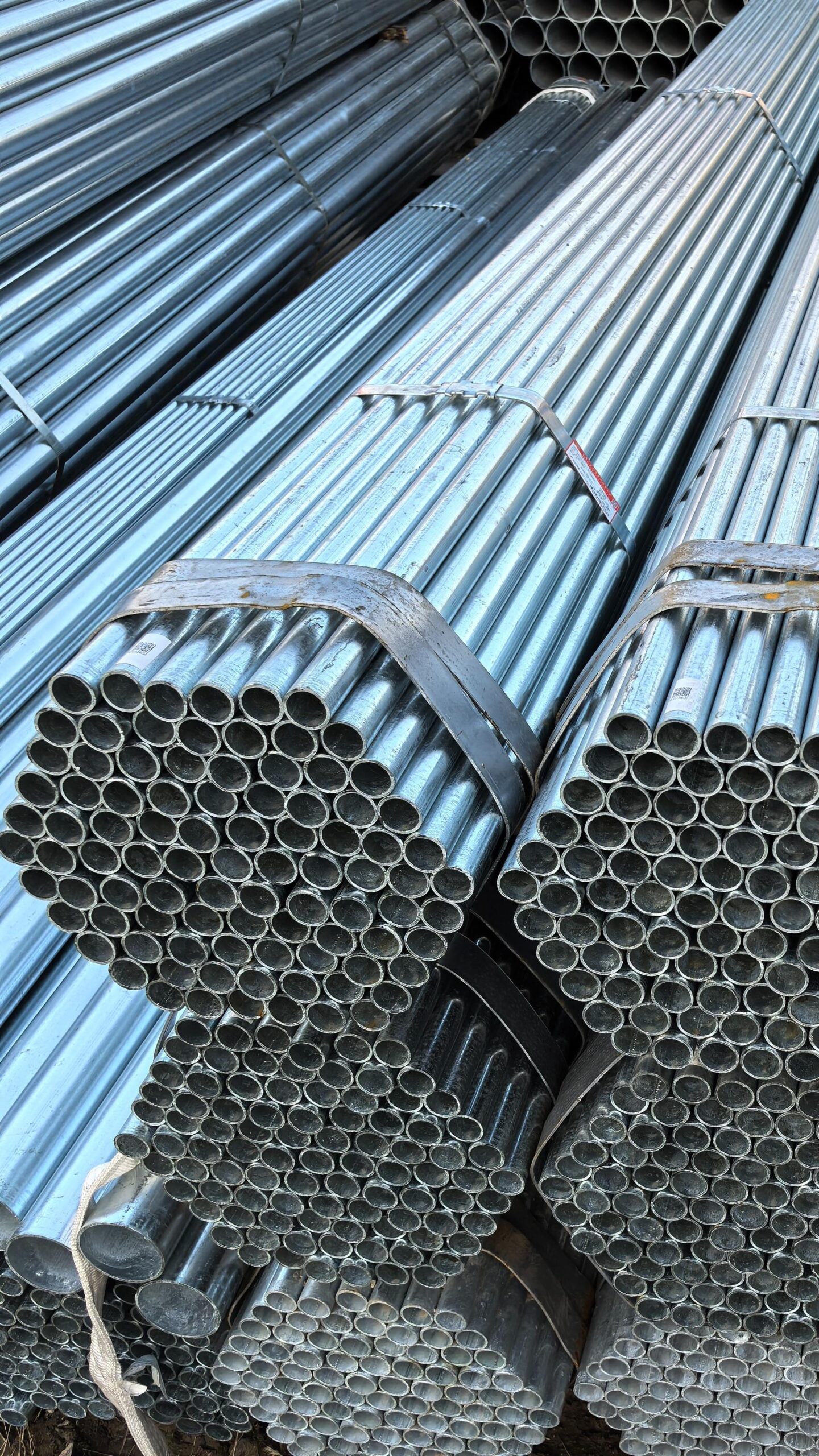
Application
Hot-dip galvanized pipes are formed by reacting molten metal with the iron substrate to create an alloy layer, thereby combining the substrate and the coating. Hot-dip galvanizing involves first acid-washing the steel pipe to remove the iron oxide on its surface. After acid washing, it is cleaned in a solution of ammonium chloride or zinc chloride or a mixed solution of ammonium chloride and zinc chloride in a tank, and then sent to the hot-dip galvanizing tank. Hot-dip galvanizing has the advantages of uniform coating, strong adhesion, and long service life. During hot-dip galvanizing, the coating undergoes complex physical and chemical reactions with the molten coating solution, forming a corrosion-resistant, tightly structured zinc-iron alloy layer. The alloy layer integrates with the pure zinc layer and the steel pipe substrate, thus having strong corrosion resistance.