1. Diferencia fundamental entre el acero inoxidable 304 y el 316 en entornos marinos
El agua de mar contiene una elevada concentración de iones cloruro, que provocan fácilmente corrosión por picaduras en las superficies metálicas, lo que crea un entorno de trabajo altamente corrosivo para proyectos en alta mar, en puertos costeros, en buques y de desalinización de agua de mar.
• Tubo de acero inoxidable 304: Contiene níquel 8%–10% y no contiene molibdeno. Funciona bien en entornos atmosféricos costeros con salpicaduras ocasionales de agua de mar. Su vida útil, con un mantenimiento regular, puede alcanzar los 8-12 años. La inmersión total a largo plazo en agua de mar provocará la aparición rápida de manchas de óxido en la superficie y perforaciones por corrosión.
• Tubo de acero inoxidable 316: Se ha añadido el elemento molibdeno 2%–3%, el material principal para la protección contra la corrosión por cloruros. Es el material preferido para tuberías marinas totalmente sumergidas, sistemas de transporte de agua de mar y tuberías de plataformas marinas. Gracias a su protección anticorrosiva normalizada, su vida útil puede prolongarse hasta los 15-25 años, superando con creces a la del acero de grado 304 en situaciones de contacto continuo con el agua de mar.
2. Factores clave que influyen en la vida útil en el mar
1. Concentración de cloruro: La inmersión total en agua de mar conlleva un riesgo de corrosión mucho mayor que el de las zonas de salpicadura en el aire costero.
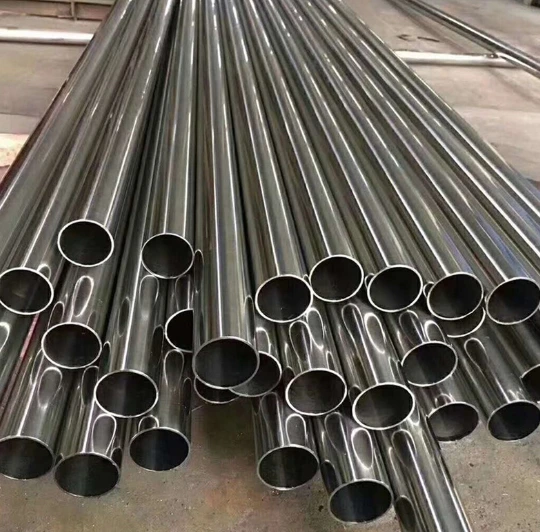
2. Acabado superficial: Los tubos de acero inoxidable pulidos presentan superficies más lisas y menos puntos de adherencia de la corrosión que las superficies decapadas sin tratar.
3. Calidad de la soldadura: Las juntas de soldadura sin pulir son el punto más habitual de fallo por corrosión en las tuberías marinas de acero inoxidable.
4. Diseño de la instalación: El agua de mar estancada que se acumula en los ángulos muertos de las tuberías acelera la corrosión por picaduras local.
5. Recubrimiento exterior: La pintura antiincrustante y la protección catódica prolongan considerablemente la vida útil total de las tuberías sumergidas.
3. Directrices de mantenimiento diario y a largo plazo
3.1 Mantenimiento periódico rutinario
• Para tuberías situadas en la zona de salpicaduras costeras: Limpiar los depósitos de sal de la superficie mediante un lavado a alta presión con agua dulce cada 1 o 2 meses para eliminar la acumulación de cloruro.
• Inspecciona trimestralmente las uniones soldadas, los soportes de las tuberías y las uniones con bridas; comprueba si hay pequeñas manchas de óxido, filtraciones de agua o desprendimientos del revestimiento.
• Evita el contacto directo entre las tuberías de acero inoxidable y los soportes de acero al carbono; utiliza juntas aislantes para prevenir la corrosión galvánica.
3.2 Tratamiento anticorrosivo profesional
• Tras la instalación de las tuberías, pulir a fondo las juntas de soldadura para eliminar las capas de óxido y las escorias de soldadura.
• Aplicar un recubrimiento especial marino antisalino en la pared exterior de las tuberías situadas por encima del nivel del agua; utilizar un recubrimiento antiincrustante en las secciones sumergidas para impedir la adhesión de organismos marinos.
• En ingeniería submarina, se debe utilizar un sistema de protección catódica con ánodos de sacrificio para frenar la corrosión uniforme de las paredes de las tuberías.
3.3 Tratamiento de emergencia de las zonas afectadas por la corrosión
• Pequeñas manchas de óxido superficial: pulir con pasta de pasivación para acero inoxidable, aclarar bien y volver a aplicar el recubrimiento protector.
• Corrosión por picaduras local: Lijar completamente la zona corroída, realizar un tratamiento de pasivación secundario y reforzar con pintura anticorrosiva de mayor espesor.
• Pared de la tubería perforada: Sustituya directamente el tramo de tubería para evitar fugas de agua de mar que pongan en peligro la seguridad de los equipos marinos.
4. Sugerencias sobre la adquisición y la entrega para compradores marítimos extranjeros
1. Seleccionar tubos sin soldadura con acabado brillante decapado para proyectos marítimos y solicitar certificados de ensayo de materiales (MTC) para verificar el contenido de molibdeno del acero inoxidable 316.
2. Exigir que se realice un tratamiento de pasivación en fábrica antes del envío, con el fin de formar una película anticorrosiva densa en las paredes interior y exterior de las tuberías.
3. Embalaje anticorrosivo: Envolver los tubos con papel anticorrosivo VCI, sellarlos con film plástico y colocar desecante seco dentro de los contenedores para evitar la corrosión por niebla salina durante los transportes marítimos de larga duración.
4. Procesamiento a medida: Solicite el pulido completo de las zonas de soldadura, el precorte a longitudes fijas y la prefabricación de bridas para reducir el procesamiento secundario in situ y los riesgos de corrosión.
Conclusión
Las tuberías de acero inoxidable 304 son una opción rentable para proyectos expuestos al aire en zonas costeras, mientras que las de acero inoxidable 316 son el material estándar para todos los sistemas de tuberías marinas sumergidas. El cumplimiento riguroso de las normas de instalación y un mantenimiento periódico para eliminar la sal permiten maximizar la vida útil de las tuberías de acero inoxidable, reducir los costes de sustitución del proyecto y evitar pérdidas inesperadas por paradas en los proyectos de ingeniería marina.