Las barras de acero laminadas en caliente y las barras de acero laminadas en frío son dos tipos de barras de acero muy utilizadas en proyectos de construcción. Aunque ambos son materiales que se emplean para reforzar la resistencia de las estructuras de hormigón, presentan diferencias significativas en cuanto a procesos de producción, propiedades y aplicaciones. Entonces, ¿cuáles son las diferencias entre las barras de acero laminadas en caliente y las laminadas en frío? En este artículo se analizarán en detalle las diferencias entre las barras de acero laminadas en caliente y las laminadas en frío.
I. Diferencias en los procesos de producción
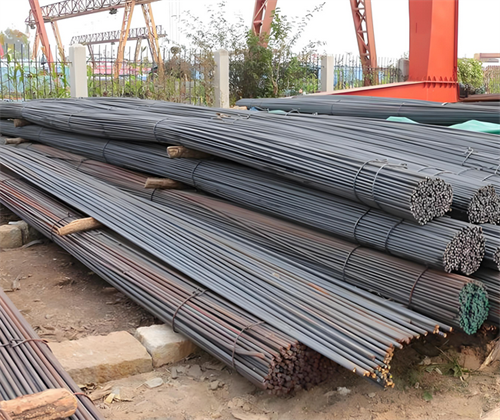
El proceso de fabricación de las barras de acero laminadas en caliente consiste en calentar las palanquillas de acero a una temperatura elevada (por lo general, superior a 1000 ℃) y, a continuación, procesarlas en laminadoras. En este entorno de alta temperatura, el acero presenta una excelente plasticidad y puede alargarse y moldearse fácilmente. La superficie de los productos laminados en caliente suele ser rugosa, lo que proporciona un cierto grado de adherencia. El proceso de fabricación de las barras de acero laminadas en caliente es sencillo y rentable, lo que lo hace adecuado para la producción a gran escala.
Por el contrario, las barras de acero laminadas en frío se obtienen a partir de barras de acero laminadas en caliente, sometiéndolas a un proceso adicional a temperatura ambiente. Mediante el proceso de laminado en frío, se puede reducir el diámetro de las barras de acero, al tiempo que se incrementan su resistencia y dureza. Dado que el laminado en frío se lleva a cabo a temperatura ambiente, se puede lograr una mayor precisión y un mejor acabado superficial. Sin embargo, el laminado en frío de las barras de acero suele requerir una mayor inversión en equipamiento y control, lo que se traduce en unos costes de producción relativamente más elevados.
II. Diferencias en las propiedades físicas
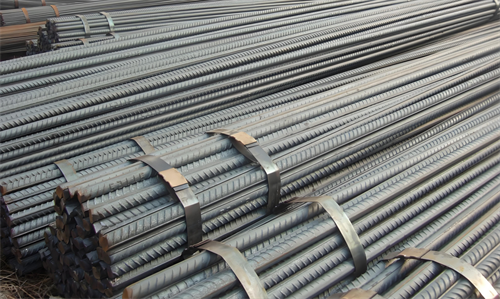
Las barras de acero laminadas en caliente, debido a su procesamiento a altas temperaturas, suelen presentar una excelente tenacidad y maleabilidad. Estas propiedades hacen que las barras de acero laminadas en caliente sean menos propensas a romperse cuando se someten a impactos importantes o a estiramientos, por lo que se utilizan ampliamente en numerosos proyectos de construcción. Según las normas nacionales, el límite elástico de las barras de acero laminadas en caliente oscila generalmente entre 300 y 500 MPa, aunque el valor concreto puede variar en función de los distintos modelos y de los requisitos de uso.
Las barras de acero laminadas en frío, tras haber sido sometidas a un proceso en frío, presentan una resistencia mucho mayor que las barras de acero laminadas en caliente. El límite elástico de las barras de acero laminadas en frío se sitúa generalmente entre 400 y 600 MPa, y puede llegar incluso a superar los 700 MPa. Además, el alargamiento de las barras de acero laminadas en frío es relativamente bajo, lo que las hace más adecuadas para algunos proyectos de alta exigencia.
III. Diferencias en el aspecto y las dimensiones
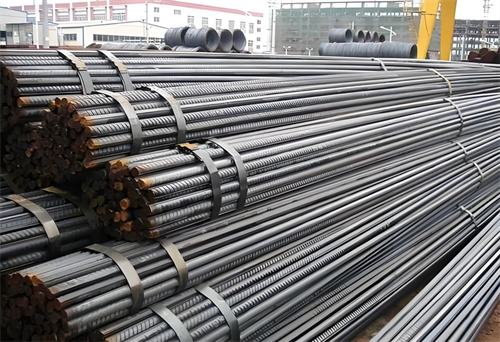
En cuanto a su aspecto, la superficie de las barras de armadura laminadas en caliente suele ser rugosa debido a la formación de capas de óxido y otras impurezas durante el procesamiento a alta temperatura. Sin embargo, esta superficie rugosa puede proporcionar una mejor adhesión al hormigón y contribuir a mejorar la integridad general de la estructura. El rango de diámetros de las barras de armadura laminadas en caliente suele ser amplio, oscilando entre los 6 mm y los 40 mm.
Las barras de armadura laminadas en frío, por su parte, presentan una mayor suavidad superficial, con diámetros más precisos y la posibilidad de fabricarlas en tamaños más pequeños. El rango de diámetros habitual oscila entre los 5 mm y los 16 mm. Esta ventaja en cuanto al tamaño permite que las barras de armadura laminadas en frío se puedan aplicar con mayor flexibilidad en determinados proyectos específicos, especialmente en situaciones que requieren una alta resistencia y diámetros reducidos.
IV. Diferencias en los ámbitos de aplicación
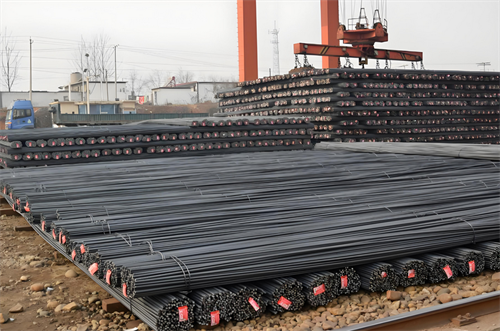
Las barras de armadura laminadas en caliente se utilizan ampliamente en proyectos de construcción en general, en la construcción de infraestructuras y en obras de ingeniería civil a gran escala para el refuerzo estructural, debido a su buena plasticidad y tenacidad. Por ejemplo, las barras de armadura laminadas en caliente se utilizan habitualmente en proyectos como puentes, túneles y edificios de gran altura, ya que pueden soportar tensiones y presiones considerables, lo cual es esencial para cumplir los requisitos de seguridad y estabilidad.
Por otro lado, las barras de armadura laminadas en frío resultan más adecuadas para algunos proyectos especiales, como los elementos que requieren una alta resistencia y un tamaño reducido, por ejemplo, los elementos de hormigón de alta resistencia y el hormigón pretensado. Gracias a su mayor resistencia y a su menor tamaño, las barras de armadura laminadas en frío pueden cumplir los requisitos de rendimiento de los materiales, cada vez más estrictos, que exige la ingeniería moderna.
En resumen, las barras de armadura laminadas en caliente y las laminadas en frío presentan diferencias significativas en cuanto a los procesos de producción, las propiedades físicas, las dimensiones y el aspecto, así como en los ámbitos de aplicación. Comprender estas diferencias puede ayudar a los ingenieros y arquitectos a tomar decisiones más acertadas a la hora de elegir el tipo adecuado de barras de armadura, garantizando así la seguridad y la durabilidad del proyecto.